Website design websites are specialized platforms and services that help create, showcase, and distribute professional web designs. Whether you're a freelancer looking to build stunning client sites, a web design agency seeking efficient workflow solutions, or a digital agency managing multiple projects, understanding these platforms can transform how you approach web design. These aren't just simple website builders—they're comprehensive ecosystems that combine design tools, templates, hosting solutions, and professional resources to streamline the entire web design process.
What Are Website Design Websites?
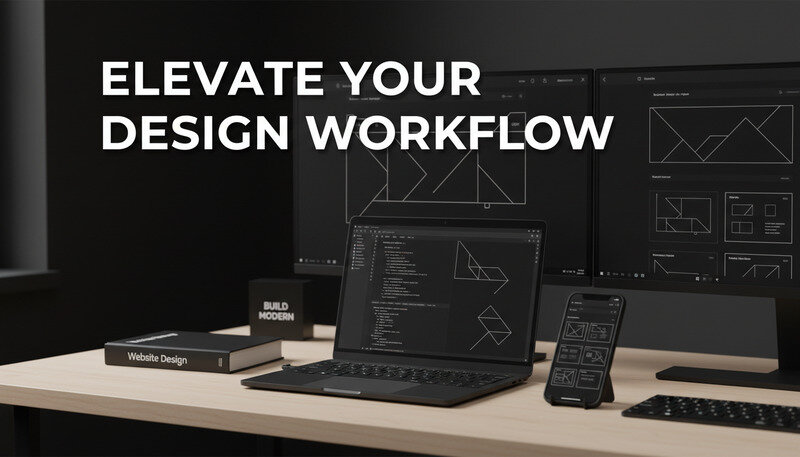
Website design websites represent a diverse category of platforms that serve different aspects of the web design industry. At their core, these are digital services that facilitate the creation, management, and deployment of professional websites through various approaches and methodologies.
The Evolution of Design Platforms
The landscape of website design websites has evolved dramatically over the past decade. What started as basic template galleries has transformed into sophisticated platforms offering everything from drag-and-drop builders to advanced development frameworks. Modern website design websites integrate responsive design principles, ensuring that every creation works seamlessly across desktop, mobile, and tablet devices.
Today's platforms recognize that web design isn't just about aesthetics—it's about creating functional, user-friendly experiences that drive business results. This shift has led to the development of more comprehensive solutions that address not just the visual aspects of design, but also performance optimization, SEO considerations, and user experience principles.
Types of Website Design Platforms
Website design websites generally fall into several distinct categories, each serving different needs and skill levels:
Template marketplaces focus on providing pre-designed themes and templates that can be customized for specific projects. These platforms often feature thousands of designs across various industries and use cases.
Design-to-Code Services bridge the gap between visual design and functional websites. These platforms allow designers to create visual mockups that are automatically converted into clean, responsive code.
All-in-One Solutions combine design tools, hosting, and management features in a single platform. These comprehensive services appeal to agencies and freelancers who want to streamline their entire workflow.
Key Insight: The most successful website design websites understand that modern web design requires a balance of creativity, functionality, and business acumen. They provide tools that support all three aspects.
The Professional Ecosystem
Website design websites have created an entire professional ecosystem around web design. This includes not just the tools for creating websites, but also resources for learning, networking, and growing design businesses. Many platforms offer educational content, community forums, and professional development resources that help designers stay current with industry trends and best practices.
The integration of business tools within these platforms has been particularly significant. Features like client management, project tracking, and automated invoicing have transformed how design professionals operate, allowing them to focus more on creative work and less on administrative tasks.
How Website Design Websites Work
Understanding the mechanics behind website design websites reveals why they've become so essential to modern web development. These platforms operate on sophisticated technological foundations that make professional web design accessible to users with varying levels of technical expertise.
The Technical Foundation
Most website design websites are built on robust content management systems and cloud infrastructure that can handle everything from simple brochure sites to complex e-commerce platforms. The underlying technology typically includes:
Content Delivery Networks (CDNs) ensure that websites load quickly regardless of where visitors are located globally. This infrastructure is crucial for maintaining good user experience and search engine rankings.
Responsive framework integration automatically adjusts layouts and content presentation based on the device being used. This eliminates the need for separate mobile versions and ensures consistent branding across all platforms.
Database management systems handle dynamic content, user accounts, and e-commerce functionality. These systems are optimized for performance and security, providing the reliability that professional websites require.
The Design Process Flow
The typical workflow on website design websites follows a structured approach that maximizes efficiency while maintaining creative flexibility:
-
Project Initialization: Users begin by selecting a template or starting from scratch, depending on their preferences and project requirements. The platform provides guidance on choosing appropriate starting points based on industry and functionality needs.
-
Customization Phase: This involves modifying colors, fonts, layouts, and content to match specific brand requirements. Advanced platforms offer granular control over every design element while maintaining responsive design principles.
-
Content Integration: Users add their specific content, including text, images, videos, and interactive elements. The platform automatically optimizes media files for web delivery and ensures proper formatting across devices.
-
Testing and Refinement: Built-in preview tools allow users to see how their designs will appear on different devices and screen sizes. This testing phase is crucial for identifying and resolving any display issues before launch.
-
Publication and Deployment: Once satisfied with the design, users can publish their websites to live domains. This process typically includes automatic SSL certificate installation and basic SEO optimization.
Pro Tip: The most effective website design websites provide real-time preview capabilities that show exactly how changes will appear to end users, eliminating guesswork and reducing revision cycles.
Integration Capabilities
Modern website design websites excel at integrating with other business tools and services. This connectivity is essential for professional workflows and client satisfaction:
Third-Party Service Integration allows websites to connect with email marketing platforms, customer relationship management systems, analytics tools, and social media networks. These integrations enable sophisticated functionality without requiring custom development.
E-commerce Capabilities are built into many platforms, providing shopping cart functionality, payment processing, and inventory management. This eliminates the need for separate e-commerce solutions and simplifies the overall technology stack.
SEO and Marketing Tools are increasingly integrated directly into design platforms, helping ensure that websites are optimized for search engines from the moment they go live.
Quality Assurance and Performance
Website design websites implement various quality assurance measures to ensure that finished products meet professional standards:
Automated testing runs in the background to identify potential issues with loading speed, mobile compatibility, and browser compatibility. This proactive approach helps prevent problems that could affect user experience or search engine rankings.
Performance optimization happens automatically through image compression, code minification, and caching strategies. These technical optimizations ensure that websites load quickly and perform well under various conditions.
Security measures include regular security updates, malware scanning, and backup services. These features protect both the websites and their visitors from security threats.
Key Components of Website Design Websites
Understanding the essential components that make website design websites effective helps in selecting the right platform and maximizing its potential. These components work together to create a comprehensive design and development environment.
Template and Theme Libraries
The foundation of most website design websites is their collection of templates and themes. These pre-designed layouts serve as starting points for custom projects and significantly reduce development time.
Industry-Specific Templates are designed with particular business types in mind, incorporating relevant imagery, color schemes, and functionality. For example, restaurant templates might include menu displays and reservation systems, while portfolio templates focus on showcasing creative work.
Responsive design standards ensure that all templates automatically adjust to different screen sizes and devices. This built-in responsiveness eliminates the need for separate mobile designs and ensures consistent user experience across platforms.
Customization flexibility varies between platforms, with some offering extensive modification options while others focus on simplicity. The best platforms strike a balance between ease of use and creative control.
Design Tools and Editors
The editing interface is where users spend most of their time, making its design and functionality crucial to the overall experience:
Visual editors allow users to see changes in real-time as they make modifications. This immediate feedback reduces the learning curve and helps users understand the impact of their design decisions.
Code access is important for users who want to make advanced customizations or integrate specific functionality. Platforms that provide both visual editing and code access appeal to a broader range of users.
Asset management tools help organize images, videos, and other media files. Effective asset management prevents clutter and makes it easier to maintain consistency across large websites.
Comparison of Design Platform Features
| Platform Type | Best For | Key Strengths | Limitations |
|---|---|---|---|
| Template Marketplaces | Quick project turnaround | Vast selection, affordable pricing | Limited customization options |
| Design-to-Code Services | Complex custom designs | Professional code output | Higher learning curve |
| All-in-One Solutions | Full-service agencies | Integrated workflow tools | May lack specialized features |
| Open Source Platforms | Technical users | Complete control, no licensing fees | Requires technical expertise |
Hosting and Infrastructure
The technical infrastructure supporting website design websites directly impacts the performance and reliability of the websites they create:
Server performance affects how quickly websites load and respond to user interactions. High-quality platforms invest in powerful servers and optimize their infrastructure for speed.
Global distribution through content delivery networks ensures that websites perform well for visitors regardless of their geographic location. This global reach is essential for businesses with international audiences.
Backup and Recovery systems protect against data loss and provide peace of mind for both designers and their clients. Automated backups should run regularly and be easily accessible when needed.
Why It Matters: The infrastructure supporting your chosen platform directly affects your professional reputation. Slow-loading or unreliable websites reflect poorly on your design services, regardless of how visually appealing they may be.
Collaboration and Client Management
Professional website design websites include features that facilitate collaboration between designers, clients, and team members:
Client feedback systems allow stakeholders to provide comments and suggestions directly on design previews. This streamlined feedback process reduces miscommunication and speeds up the revision process.
Project management tools help track progress, manage deadlines, and organize multiple projects simultaneously. These tools are particularly valuable for agencies handling numerous clients.
Version control ensures that changes can be tracked and reversed if necessary. This feature provides security and flexibility during the design process.
Benefits and Use Cases for Website Design Websites
The advantages of using specialized website design websites extend far beyond simple convenience. These platforms offer strategic benefits that can transform how design professionals operate and serve their clients.
Time and Cost Efficiency
Website design websites dramatically reduce the time required to complete projects while maintaining professional quality standards. This efficiency translates directly into improved profitability and client satisfaction.
Rapid prototyping capabilities allow designers to quickly create and test different design concepts. Instead of spending hours coding basic layouts, designers can focus on refining the visual and user experience aspects of their projects.
Reduced development overhead eliminates the need for extensive technical infrastructure. Designers don't need to maintain servers, manage databases, or handle security updates—these responsibilities are handled by the platform provider.
Scalable pricing models allow businesses to pay only for the resources they actually use. This flexibility is particularly beneficial for freelancers and small agencies that experience varying workloads throughout the year.
Professional Quality Assurance
Website design websites implement professional standards and best practices automatically, ensuring that even less experienced designers can produce high-quality results:
Built-in SEO Optimization includes proper heading structure, meta tag management, and mobile-friendly design principles. These features help ensure that websites rank well in search engines without requiring specialized SEO knowledge.
Cross-Browser Compatibility is tested and maintained by the platform, eliminating the need for designers to test their work across multiple browsers and devices manually.
Performance optimization happens automatically through image compression, code minification, and caching strategies. These technical optimizations ensure fast loading times and good user experience.
Expert Tip: The most successful design professionals use website design websites not as a replacement for their skills, but as a foundation that allows them to focus on higher-value creative and strategic work.
Specific Use Cases by Professional Type
Different types of design professionals benefit from website design websites in unique ways:
Freelance designers often work with limited resources and tight deadlines. Website design websites allow them to compete with larger agencies by providing access to professional tools and infrastructure without significant upfront investment.
Web design agencies use these platforms to standardize their workflow and improve consistency across projects. The ability to create templates and reuse design elements across multiple clients increases efficiency and maintains brand consistency.
Digital marketing agencies benefit from integrated analytics and marketing tools that help them demonstrate ROI to their clients. The ability to quickly create landing pages and campaign-specific websites supports their broader marketing strategies.
Client Relationship Benefits
Website design websites improve client relationships through enhanced communication and transparency:
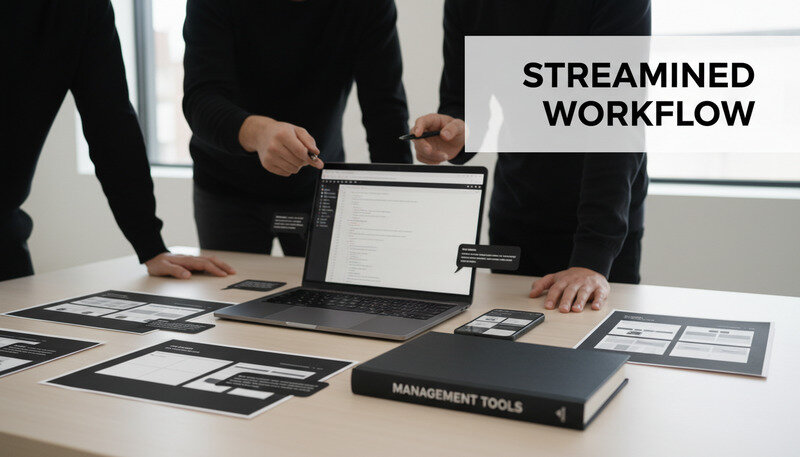
Real-Time Collaboration allows clients to see progress as it happens and provide feedback immediately. This transparency builds trust and reduces the anxiety that clients often experience during the design process.
Simplified maintenance means that clients can make basic content updates without requiring ongoing technical support. This independence is valuable for both clients and designers, reducing support requests and improving client satisfaction.
Professional presentation tools help designers showcase their work effectively during client meetings and proposals. The ability to demonstrate responsive design and interactive features in real-time can be decisive in winning new business.
Common Misconceptions About Website Design Websites
Several persistent misconceptions prevent some professionals from fully embracing website design websites. Understanding and addressing these misconceptions is important for making informed decisions about which tools to use.
"They're Just for Beginners"
One of the most damaging misconceptions is that website design websites are only suitable for amateur designers or small projects. This perspective ignores the sophisticated capabilities of modern platforms and the strategic advantages they offer to experienced professionals.
Enterprise-Level Features available on many platforms include advanced customization options, white-label solutions, and integration capabilities that rival custom development projects. Major brands and agencies regularly use these platforms for significant projects.
Professional workflow integration allows experienced designers to incorporate these tools into sophisticated development processes. Rather than replacing professional skills, these platforms amplify them by handling routine tasks and providing reliable infrastructure.
Code quality standards on reputable platforms often exceed what many custom development projects achieve. Professional platforms invest heavily in code optimization, security, and performance—areas where individual developers might cut corners due to time or budget constraints.
"They All Look the Same"
Another common misconception is that websites created using design platforms are easily recognizable and lack originality. This belief stems from observing poorly customized templates rather than understanding the full creative potential of modern platforms.
"They're Not Suitable for Complex Projects"
Some professionals believe that website design websites can only handle simple brochure-style websites and aren't capable of supporting complex functionality or sophisticated design requirements.
E-commerce Capabilities on modern platforms rival dedicated e-commerce solutions, with features like inventory management, payment processing, and customer account systems built in.
Database integration allows for dynamic content management, user accounts, and complex data relationships. These capabilities support everything from membership sites to sophisticated web applications.
API Integration enables connection to virtually any third-party service or custom system. This flexibility ensures that website design websites can be part of larger, more complex digital ecosystems.
"They're More Expensive Than Custom Development"
Cost comparisons between website design websites and custom development often fail to account for the total cost of ownership and the value of included services.
Hidden development costs in custom projects include ongoing maintenance, security updates, hosting management, and technical support. These costs can quickly exceed the subscription fees for professional platforms.
Time-to-Market Advantages provided by website design websites often justify their cost through faster project completion and earlier revenue generation for clients.
Reduced risk factors include guaranteed uptime, automatic backups, and professional security management. These assurances reduce the potential costs associated with technical problems or security breaches.
Best Practices for Using Website Design Websites
Maximizing the potential of website design websites requires understanding how to use them strategically and professionally. These best practices help ensure successful outcomes for both designers and their clients.
Strategic Platform Selection
Choosing the right website design website for specific projects and business needs is crucial for success. This decision should be based on careful evaluation of requirements rather than popularity or marketing claims.
Project requirements analysis should include consideration of functionality needs, design flexibility requirements, client budget constraints, and long-term maintenance expectations. Different platforms excel in different areas, and matching capabilities to needs is essential.
Scalability considerations are important for growing businesses and agencies. The chosen platform should be able to accommodate increased traffic, additional functionality, and expanded team collaboration as projects and businesses grow.
Integration requirements with existing business systems and workflows should be evaluated early in the selection process. The ability to connect with current tools and processes can significantly impact overall efficiency and effectiveness.
Design Process Optimization
Developing efficient workflows and processes maximizes the benefits of website design websites while maintaining professional quality standards:
Template customization strategy should focus on creating unique brand experiences rather than simply filling in content. This approach requires understanding the underlying design principles and making strategic modifications that enhance rather than compromise the original design.
Asset Preparation and Management involves optimizing images, organizing content, and preparing all necessary materials before beginning the design process. This preparation reduces project timelines and improves final quality.
Testing and Quality Assurance protocols should be established to ensure consistent results across projects. This includes cross-device testing, performance verification, and accessibility compliance checking.
Pro Tip: Create standardized checklists for common tasks and quality assurance steps. This systematization ensures consistent results and reduces the likelihood of overlooking important details during busy periods.
Client Communication and Expectations
Effective use of website design websites requires clear communication with clients about capabilities, limitations, and expectations:
Platform education helps clients understand the benefits and constraints of the chosen approach. This education prevents unrealistic expectations and builds confidence in the selected strategy.
Collaborative process design should leverage the platform's collaboration features while maintaining professional project management standards. Clear roles, responsibilities, and approval processes prevent confusion and scope creep.
Maintenance and Support Planning should be discussed and documented early in the project. Clients need to understand their ongoing responsibilities and the support available from both the platform and the design professional.

Performance and Optimization Focus
Website design websites provide many optimization features automatically, but professional designers should understand and leverage these capabilities effectively:
SEO Foundation Building involves proper use of heading structures, meta descriptions, alt text, and other on-page optimization elements. While platforms handle technical SEO aspects, content optimization remains a professional responsibility.
Performance monitoring should be ongoing rather than just a launch-time consideration. Regular performance audits help identify opportunities for improvement and ensure continued optimal operation.
Security best practices include regular password updates, careful management of user permissions, and understanding of the platform's security features and limitations.
Common Questions About Website Design Websites
What's the difference between website builders and professional website design websites?
Website builders typically target individual users and small businesses who want to create simple websites themselves. They prioritize ease of use over advanced functionality and customization options. Professional website design websites, on the other hand, are built for design professionals who need sophisticated tools, extensive customization capabilities, and features that support client work and business operations.
Professional platforms offer features like white-label solutions, advanced collaboration tools, code access, and integration capabilities that aren't typically found in consumer-focused website builders. They also provide the reliability, performance, and support standards that professional work requires.
The pricing models also differ significantly, with professional platforms often offering subscription tiers that include business features, priority support, and higher performance limits that justify their cost through improved efficiency and capabilities.
How do I choose the right platform for my design business?
Selecting the right website design website requires careful evaluation of your specific business needs, client requirements, and growth plans. Start by analyzing your current projects and identifying common requirements across your client base.
Consider factors like the types of websites you create most often, the level of customization your clients expect, your team's technical expertise, and your budget for tools and subscriptions. Some platforms excel at e-commerce sites, while others are better for portfolio sites or service businesses.
Take advantage of free trials and demo periods to test platforms with real projects. Pay attention to how intuitive the interface feels, how quickly you can achieve desired results, and how well the platform's workflow integrates with your existing business processes. The best platform for you is the one that enhances your productivity while meeting your clients' needs consistently.
Can website design websites handle complex e-commerce requirements?
Modern website design websites have evolved to support sophisticated e-commerce functionality that rivals dedicated e-commerce platforms. Many offer comprehensive features including inventory management, multiple payment gateway integration, tax calculation, shipping options, and customer account management.
Advanced e-commerce features available on professional platforms include abandoned cart recovery, discount and coupon systems, product variants and options, and detailed analytics and reporting. Some platforms also support multi-channel selling, allowing businesses to manage online stores, social media sales, and marketplace listings from a single dashboard.
However, extremely complex e-commerce requirements—such as custom pricing algorithms, sophisticated B2B functionality, or integration with legacy enterprise systems—might still require custom development or specialized e-commerce platforms. The key is matching the platform's capabilities to your specific requirements rather than assuming limitations based on outdated perceptions.
What about SEO performance compared to custom-built websites?
Website design websites have made significant improvements in SEO capabilities and often outperform custom-built websites in technical SEO aspects. Professional platforms automatically handle many technical SEO requirements including proper HTML structure, mobile responsiveness, page speed optimization, and SSL certificates.
Many platforms include built-in SEO tools that guide users through on-page optimization, generate XML sitemaps automatically, and provide analytics integration. Some even offer advanced features like schema markup, custom meta tags, and URL structure control that support sophisticated SEO strategies.
The main SEO advantage of custom development—complete control over technical implementation—is often offset by the reality that most custom projects don't implement SEO best practices as thoroughly as professional platforms do automatically. The key to SEO success on any platform is focusing on high-quality content, proper keyword research, and strategic optimization rather than just technical implementation.
How do these platforms handle website security and maintenance?
Security and maintenance are often significant advantages of using website design websites compared to self-hosted solutions. Professional platforms handle security updates, server maintenance, backup management, and performance optimization automatically, reducing the technical burden on designers and their clients.
Security measures typically include regular security patches, malware scanning, DDoS protection, and secure hosting infrastructure. Many platforms also provide SSL certificates automatically and maintain compliance with various security standards and regulations.
Backup and recovery services ensure that websites can be restored quickly if problems occur, and many platforms offer version history that allows reverting to previous states if needed. This comprehensive maintenance approach provides peace of mind and reduces the ongoing technical responsibilities associated with website ownership.
What are the long-term implications of using these platforms?
Long-term considerations for website design websites include platform stability, data portability, and evolution of features and pricing. Reputable platforms have strong business models and user bases that suggest long-term viability, but it's important to understand your options if circumstances change.
Most professional platforms provide data export capabilities that allow moving content to other systems if necessary. However, custom design work and specific functionality might not transfer easily, so it's important to document customizations and understand migration implications when making platform decisions.
The ongoing evolution of these platforms generally benefits users through improved features, better performance, and enhanced security. However, pricing changes and feature modifications can impact long-term costs and capabilities. Building relationships with platform representatives and staying informed about roadmaps helps anticipate and plan for changes.
Wrapping Up
Website design websites have transformed from simple template galleries into sophisticated platforms that empower design professionals to create exceptional web experiences efficiently. Understanding their capabilities, limitations, and best practices enables designers to make informed decisions that enhance their professional services and client satisfaction. Whether you're a freelancer seeking to streamline your workflow or an agency looking to scale your operations, these platforms offer valuable tools and resources that can significantly improve your web design practice. Get started with Dope Theme to explore how professional website design resources can enhance your next project. Ready to get started? Visit Dope Theme to learn more.