Finding the right web designer can feel overwhelming when you’re staring at dozens of search results for “web designers near me.” The choice often comes down to two main paths: hiring a freelance web designer or partnering with a web design agency. Each approach has distinct advantages, and the right choice depends on your project scope, budget, timeline, and long-term goals. Understanding these differences upfront can save you time, money, and frustration down the road.
Understanding Your Web Design Options
When searching for web designers near me, you’ll encounter three primary types of service providers: freelance web designers, web design agencies, and hybrid models. Content Management Systems Each serves different market segments and project requirements, making it crucial to understand what sets them apart.
Freelance Web Designers: The Solo Specialists
Freelance web designers are independent professionals who work directly with clients on website design and development projects. They typically operate as one-person businesses, handling everything from initial consultation to final delivery. Most freelancers specialize in specific areas like e-commerce, responsive design, or particular content management systems.
The freelance market has exploded in recent years, with over 57 million Americans working as freelancers according to recent industry data. In the web design space, freelancers often focus on small to medium-sized projects, offering personalized service and direct communication with the decision-maker.
Web Design Agencies: The Full-Service Teams
Web design agencies are established companies with multiple team members specializing in different aspects of web development. These teams typically include web designers, developers, project managers, content strategists, and digital marketers. Agencies handle projects ranging from simple brochure websites to complex enterprise platforms.
Agencies operate with structured processes, established workflows, and formal project management systems. They often maintain ongoing relationships with clients, providing continuous support, updates, and digital marketing services beyond the initial website launch.
Hybrid Models: The Middle Ground
Some web designers operate as small studios or partnerships, combining elements of both freelance and agency models. These hybrid providers offer more resources than solo freelancers while maintaining the personal touch and competitive pricing that agencies sometimes can’t match.
Why It Matters: Understanding these distinctions helps you identify which type of provider aligns with your project needs, communication preferences, and budget constraints before you start reaching out to web designers near me.
Comparing Web Designer Types
When evaluating web designers near me, several key factors differentiate freelancers from agencies. Understanding these differences helps you make an informed decision based on your specific requirements.
Project Scope and Complexity Comparison
| Factor | Freelance Designer | Web Design Agency | Best For |
|---|---|---|---|
| Project Size | Small to medium projects | Medium to enterprise-level | Depends on complexity |
| Timeline | Flexible, often faster | Structured, predictable | Agency for tight deadlines |
| Specialization | Deep expertise in specific areas | Broad range of services | Freelance for niche needs |
| Team Size | 1 person (may subcontract) | 3-15+ team members | Agency for complex projects |
| Communication | Direct with designer | Through project managers | Freelance for hands-on involvement |
Freelancers excel at projects requiring deep specialization or personal attention. They’re ideal for businesses needing custom solutions, unique design approaches, or direct collaboration with the creative mind behind the project. However, they may struggle with large-scale projects requiring multiple skill sets simultaneously.
Agencies shine when projects demand diverse expertise, strict timelines, or ongoing support. They can assign specialists to different project aspects while maintaining overall project coordination. The trade-off often comes in reduced flexibility and higher costs.
Cost Structure Analysis
Pricing models vary significantly between freelancers and agencies. Freelancers typically charge $50-150 per hour or offer fixed project rates ranging from $2,000-15,000 for complete websites. Their lower overhead allows competitive pricing, especially for straightforward projects.
Agencies generally charge $100-300 per hour, with project costs ranging from $10,000-100,000+ depending on complexity. Higher rates reflect broader expertise, established processes, and comprehensive support structures. However, agencies often deliver faster results due to dedicated teams and parallel workflows.
Key Takeaway: Budget considerations extend beyond initial costs. Factor in long-term maintenance, updates, and potential scope changes when comparing freelance versus agency pricing.
Deep Dive: Working with Freelance Web Designers
Freelance web designers offer unique advantages that make them attractive options for many businesses searching for web designers near me. Understanding how freelancers operate helps you determine if this approach aligns with your project needs.
The Freelancer Advantage
Direct Communication and Collaboration
Working with freelancers means communicating directly with the person designing your website. This eliminates the telephone game often present in larger organizations, where your feedback passes through account managers before reaching the actual designer. You can discuss ideas, provide feedback, and make decisions quickly without bureaucratic delays.
Flexibility and Adaptability
Freelancers typically offer more flexibility in project scope, timeline adjustments, and creative direction. If you want to pivot mid-project or add unexpected features, freelancers can often accommodate changes more easily than agencies with rigid processes and multiple stakeholders.
Specialized expertise
Many freelancers develop deep expertise in specific niches or technologies. Whether you need an expert in WordPress customization, e-commerce platforms like Shopify, or specialized industries like healthcare or legal services, you can often find freelancers with precisely the experience you need.
Cost-Effectiveness
Lower overhead costs allow freelancers to offer competitive pricing without sacrificing quality. You’re paying for expertise and creativity rather than office rent, administrative staff, and corporate profit margins.

Potential Freelancer Challenges
Limited bandwidth
Solo designers have finite capacity. If your project requires extensive development work, content creation, SEO optimization, and ongoing maintenance simultaneously, a single freelancer might struggle to deliver everything efficiently.
Availability concerns
Popular freelancers often book months in advance. If you need immediate attention or have urgent deadlines, finding available freelance talent can be challenging. Additionally, freelancers take vacations, get sick, or may become unavailable due to personal circumstances.
Skill set limitations
While freelancers may excel in their specialties, they might lack expertise in related areas. A talented designer might not be skilled in advanced development, SEO, or digital marketing, potentially requiring you to coordinate multiple freelancers.
When to Choose a Freelancer
Freelancers work best for:
- Small to medium-sized businesses with straightforward website needs
- Projects requiring specialized expertise in specific platforms or industries
- Tight budgets where cost-effectiveness is paramount
- Hands-on clients who want direct involvement in the creative process
- Unique or creative projects requiring personalized attention and innovative solutions
Pro Tip: When hiring freelancers, always review their portfolio thoroughly, check references, and establish clear project milestones and communication expectations upfront to ensure successful collaboration.
Deep Dive: Partnering with Web Design Agencies
Web design agencies bring structured processes, diverse expertise, and established workflows to website projects. For businesses searching for web designers near me, agencies offer advantages that solo freelancers simply cannot match.
The Agency Advantage
Comprehensive team expertise
Agencies assemble teams with complementary skills: UX/UI designers, front-end and back-end developers, project managers, content strategists, and digital marketers. This breadth of expertise means your project benefits from specialized knowledge in every aspect of web development and digital strategy.
Established Processes and Project Management
Professional agencies have refined their workflows through hundreds of projects. They use project management tools, maintain clear communication channels, and follow proven methodologies that minimize delays and scope creep. You’ll typically receive regular updates, milestone reports, and structured feedback sessions.
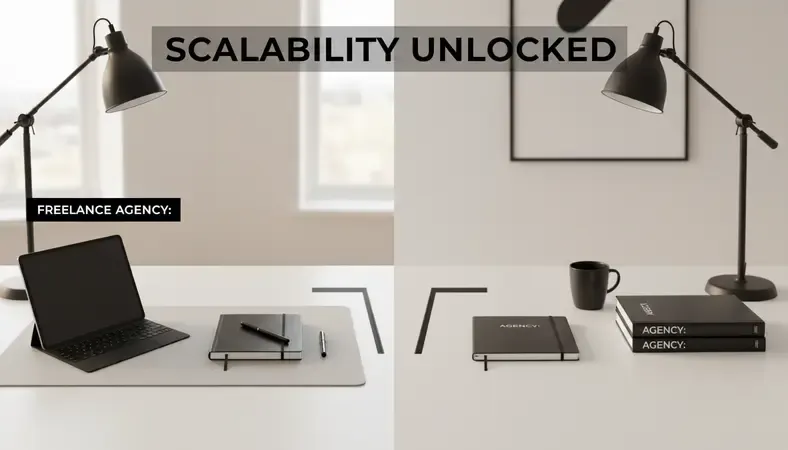
Scalability and Resource Allocation
When your project needs additional resources, agencies can quickly assign more team members or adjust priorities. If your website launch coincides with a marketing campaign requiring immediate support, agencies can scale their involvement accordingly.
Quality Assurance and Testing
Agencies typically maintain quality assurance processes including cross-browser testing, mobile responsiveness verification, and performance optimization. Multiple team members review work before delivery, catching issues that might slip past solo designers.
Long-term Partnership Potential
Many agencies position themselves as long-term digital partners rather than one-time service providers. They offer ongoing maintenance, security updates, performance monitoring, and digital marketing services to help your website succeed after launch.
Agency Considerations and Limitations
Higher investment requirements
Agency services typically require larger budgets due to team overhead, established processes, and comprehensive service offerings. Minimum project sizes often start around $10,000, making agencies less accessible for small businesses with limited budgets.
Less direct creative control
Communication often flows through account managers or project coordinators rather than directly with designers. While this ensures professional project management, it can create distance between you and the creative decision-makers.
Potential for Over-Engineering
Agencies sometimes recommend more complex solutions than necessary, either due to their expertise in enterprise-level projects or because comprehensive solutions justify higher fees. Simple projects might receive unnecessarily complex treatment.
When Agencies Excel
Agencies are ideal for:
- Medium to large businesses with substantial web development budgets
- Complex projects requiring multiple disciplines and skill sets
- Tight deadlines where parallel workflows and dedicated teams provide advantages
- Ongoing digital strategy needs extending beyond website development
- Companies lacking internal technical expertise who need comprehensive guidance and support
Expert Tip: When evaluating agencies, look beyond portfolio quality to assess their project management processes, team structure, and post-launch support offerings. The best agencies become strategic partners, not just service providers.
Key Factors in Your Decision
Choosing between freelance web designers and agencies requires careful consideration of several critical factors. Each option serves different business needs, and understanding your priorities helps identify the best fit for your specific situation.
Budget and Value Considerations
Initial investment analysis
Budget constraints often drive the initial decision between freelancers and agencies. However, focusing solely on upfront costs can be misleading. Consider the total cost of ownership, including ongoing maintenance, updates, and potential redesigns.
Freelancers typically offer lower entry points, making professional web design accessible to small businesses and startups. A quality freelancer might deliver a complete website for $3,000-8,000, while agencies often start at $10,000-15,000 for similar scope.
However, agencies often deliver faster results due to parallel workflows and dedicated teams. If time-to-market is critical, the higher agency investment might provide better overall value despite increased costs.
Long-term Value Assessment
Consider your long-term digital strategy needs. If you anticipate ongoing website updates, digital marketing campaigns, or technical support requirements, agencies often provide better long-term value through comprehensive service offerings and established support structures.
Freelancers might offer excellent initial value but require you to coordinate multiple providers for ongoing needs like SEO, content marketing, or technical maintenance.
Project Complexity and Timeline
Scope assessment framework
Evaluate your project complexity across multiple dimensions:
- Technical requirements: Custom functionality, integrations, database complexity
- Design complexity: Custom graphics, animations, user experience requirements
- Content volume: Number of pages, product catalogs, content management needs
- Timeline constraints: Launch deadlines, seasonal considerations, marketing campaign alignment
Simple brochure websites with standard functionality suit freelancers well. Complex e-commerce platforms, membership sites, or applications requiring custom development often benefit from agency expertise and resources.
Timeline flexibility
Freelancers often provide more scheduling flexibility but may require longer overall timelines due to sequential workflows. Agencies can compress timelines through parallel work streams but typically require more structured scheduling and planning phases.
Communication and Control Preferences
Collaboration style assessment
Consider how you prefer to work with creative professionals. If you enjoy direct collaboration, brainstorming sessions, and hands-on involvement in creative decisions, freelancers often provide more satisfying working relationships.
If you prefer structured communication, regular progress reports, and professional project management, agencies typically offer more polished client experiences with clear processes and accountability structures.
Key Insight: Your communication preferences significantly impact project satisfaction regardless of the final product quality. Choose providers whose working style aligns with your expectations and availability.
Making Your Final Decision
After evaluating both freelancers and agencies, use this decision framework to guide your choice when searching for web designers near me.
Decision Matrix Framework
Create a weighted scoring system based on your priorities:
Priority Assessment (Rate 1-5 importance)
* Budget constraints and cost-effectiveness
* Project timeline and urgency
* Ongoing support and maintenance needs
* Creative control and direct collaboration
* Technical complexity and expertise requirements
* Long-term digital strategy alignment
Provider evaluation criteria
Rate potential freelancers and agencies on:
* Portfolio quality and relevant experience
* Communication style and responsiveness
* Pricing transparency and value proposition
* Timeline commitments and availability
* Technical expertise and team capabilities
* References and client testimonials
Red Flags to Avoid
Regardless of whether you choose freelancers or agencies, watch for these warning signs:
Freelancer Red Flags:
* Reluctance to provide references or portfolio details
* Vague project timelines or scope definitions
* Extremely low pricing that seems too good to be true
* Poor communication or delayed responses during initial discussions
* No contract or formal agreement processes
Agency Red Flags:
* High-pressure sales tactics or rushed decision requirements
* Inability to explain their process or team structure clearly
* Portfolios dominated by template-based solutions
* Lack of transparency about who will actually work on your project
* No clear post-launch support or maintenance offerings
Implementation Strategy
For Freelancer Selection:
1. Portfolio Review: Examine 5-10 recent projects similar to your requirements
2. Reference Checks: Contact 2-3 recent clients about their experience
3. Skill Assessment: Verify technical capabilities through detailed discussions
4. Contract Clarity: Ensure clear scope, timeline, and payment terms
5. Backup Planning: Identify contingency options if issues arise
For Agency Selection:
1. Team Introduction: Meet key team members who will work on your project
2. Process Understanding: Review their project management methodology
3. Service Scope: Clarify what’s included in their standard offerings
4. Communication Protocols: Establish reporting frequency and contact methods
5. Long-term Support: Understand ongoing maintenance and support options

Pro Tip: Regardless of your choice, establish clear success metrics upfront. Define what constitutes project completion, acceptable performance standards, and ongoing support expectations to ensure alignment with your chosen provider.
Common Questions About Choosing Web Designers
How do I find quality web designers near me?
Start with online research using platforms like Google My Business, Clutch, Upwork, or local business directories. Look for providers with strong portfolios, positive reviews, and relevant experience in your industry. Ask for recommendations from other business owners, check local networking groups, and consider reaching out to companies whose websites you admire to ask about their designers.
Don’t limit yourself strictly to geographic proximity. Many web designers work effectively with remote clients, expanding your options significantly. However, if you prefer face-to-face meetings or have complex projects requiring frequent collaboration, local providers offer advantages.
Evaluate potential designers based on portfolio quality, communication style, technical expertise, and cultural fit with your organization. Schedule initial consultations with 3-5 candidates to compare approaches, pricing, and working styles before making your final decision.
What questions should I ask potential web designers?
Portfolio and Experience Questions:
Ask to see examples of recent work similar to your project requirements. Inquire about their experience with your industry, target audience, and specific technical needs. Request references from recent clients and ask about project outcomes, timeline adherence, and post-launch support quality.
Process and Timeline Questions:
Understand their design and development process, typical project timelines, and how they handle revisions and feedback. Ask about their availability, communication frequency, and project management tools. Clarify what happens if timelines need adjustment or scope changes occur.
Technical and Support Questions:
Verify their expertise with relevant platforms, technologies, and integrations. Ask about website hosting, security measures, backup procedures, and ongoing maintenance options. Understand their approach to mobile responsiveness, search engine optimization, and website performance.
Business and Contract Questions:
Discuss pricing structure, payment terms, and what’s included in their standard services. Ask about ownership of design files, source code, and content. Clarify their policy on revisions, additional work, and long-term support arrangements.
How much should I expect to pay for professional web design?
Web design pricing varies significantly based on project complexity, provider type, and geographic location. Freelancers typically charge $50-150 per hour or $2,000-15,000 for complete projects. Agencies generally range from $100-300 per hour with project costs of $10,000-100,000+ depending on scope and complexity.
Freelancer Pricing Factors:
Experience level, specialization, geographic location, and project complexity all influence freelancer rates. Entry-level designers might charge $30-60 per hour, while experienced specialists command $100-200+ per hour. Fixed project pricing often provides better value and predictability for both parties.
Agency Pricing Factors:
Agency overhead, team size, service comprehensiveness, and market positioning affect pricing. Boutique agencies might charge $75-150 per hour, while established agencies in major markets often charge $150-300+ per hour. Project minimums typically start around $10,000-15,000.
Value Considerations:
Focus on value rather than just cost. A more expensive provider who delivers faster results, requires fewer revisions, and provides comprehensive support often provides better overall value than cheaper alternatives requiring extensive management and revisions.
What’s the difference between web design and web development?
Web design focuses on the visual and user experience aspects of websites, including layout, color schemes, typography, imagery, and user interface design. Web designers create the look, feel, and user journey of websites, often working with tools like Sketch, Figma, or Adobe Creative Suite.
Web development involves the technical implementation of designs, including coding, programming, database integration, and functionality creation. Developers use languages like HTML, CSS, JavaScript, PHP, or Python to build the actual functioning website based on design specifications.
Frontend vs Backend Development:
Frontend development focuses on user-facing elements like interactive features, animations, and responsive design implementation. Backend development handles server-side functionality, databases, user authentication, and content management systems.
Many web designers have basic development skills, while some developers can handle design work. However, complex projects often benefit from specialists in each area working collaboratively to deliver optimal results.
How long does a typical web design project take?
Project timelines vary significantly based on complexity, scope, and provider availability. Simple brochure websites might take 2-4 weeks, while complex e-commerce or custom applications can require 3-6 months or longer.
Freelancer Timelines:
Solo designers often work sequentially, completing design phases before moving to development. This can extend overall timelines but allows for more iterative feedback and refinement. Expect 4-8 weeks for standard business websites and 8-16 weeks for complex projects.
Agency Timelines:
Agencies can often compress timelines through parallel workflows, with designers and developers working simultaneously on different project aspects. Standard business websites might complete in 3-6 weeks, while complex projects typically require 6-12 weeks.
Timeline Factors:
Client responsiveness significantly impacts project duration. Delays in content provision, feedback, or decision-making can extend timelines substantially. Other factors include revision rounds, technical complexity, integration requirements, and testing phases.
Plan for additional time beyond initial estimates to accommodate unexpected challenges, scope adjustments, and thorough testing before launch.
Should I choose a local web designer or work remotely?
Both local and remote web designers can deliver excellent results, and the best choice depends on your communication preferences, project complexity, and available talent pool. Local designers offer face-to-face meetings, easier collaboration, and potential for ongoing relationships, while remote designers expand your options and often provide cost advantages.
Local Designer Advantages:
In-person meetings facilitate better communication for complex projects, easier collaboration on creative decisions, and stronger working relationships. Local designers understand regional market conditions, customer preferences, and local business networking opportunities.
Remote Designer Advantages:
Access to broader talent pools, potentially lower costs due to geographic arbitrage, and often more specialized expertise. Many remote designers have refined their communication and project management processes to work effectively with distant clients.
Hybrid Approaches:
Consider designers within driving distance for occasional in-person meetings while primarily working remotely. This provides flexibility while maintaining personal connection benefits when needed.
The key is finding designers whose communication style, expertise, and working approach align with your needs regardless of location.
Conclusion
Choosing between freelance web designers and agencies ultimately depends on your specific project needs, budget constraints, and working preferences. Freelancers excel at providing personalized service, specialized expertise, and cost-effective solutions for small to medium projects. Agencies offer comprehensive teams, established processes, and scalable resources for complex projects requiring diverse skills and tight timelines. Both options can deliver exceptional results when properly matched to your requirements. Get started with Dope Theme to explore professional website themes and resources that complement your chosen web design approach. Ready to get started? Visit Dope Theme to learn more.