Finding the right web design partner for your business can make or break your online presence. Whether you're a startup needing your first website or an established company planning a redesign, the choice between working with local web design companies near you versus remote teams has never been more important. Each approach offers distinct advantages, and understanding these differences can save you time, money, and frustration down the road.
The web design landscape has evolved dramatically in recent years. Local web design companies near me searches have increased by 40% as businesses seek face-to-face collaboration, while remote web design services have exploded with global talent pools and competitive pricing. This shift means you have more options than ever, but also more complexity in making the right choice for your specific needs and goals.
Understanding Your Web Design Options
When searching for web design companies near me, you're essentially choosing between two fundamentally different approaches to building your website. Local web design companies operate within your geographic area, often serving businesses in your city or region. These companies typically maintain physical offices, employ local talent, and focus on building relationships within their community.
Remote web design companies, on the other hand, operate without geographic boundaries. They might be based anywhere in the world and serve clients globally through digital communication channels. This model has become increasingly sophisticated, with project management tools, video conferencing, and collaborative platforms making distance virtually irrelevant for many types of projects.
Why It Matters: The choice between local and remote isn't just about location—it fundamentally affects how your project will be managed, communicated, and delivered.
The Rise of Hybrid Models
A third option has emerged that combines elements of both approaches. Many web design companies now offer hybrid services, maintaining local presence for key markets while leveraging remote talent for specialized skills or cost-effective delivery. This model attempts to capture the best of both worlds, though it comes with its own considerations.
The hybrid approach often involves local account management and strategy sessions combined with remote development and design execution. This can provide the personal touch of local service while accessing broader talent pools and potentially better pricing structures.
Market Trends Shaping the Industry
Recent industry data shows that 60% of web design projects now involve some form of remote collaboration, even when working with local companies. This trend has been accelerated by improved digital tools and changing work patterns across all industries. Understanding these trends helps inform your decision-making process.
The website design industry has also seen increased specialization, with companies focusing on specific niches, technologies, or business types. This specialization often transcends geographic boundaries, meaning the best expertise for your particular needs might not be located in your immediate area.
Comparing Local and Remote Web Design Companies
Understanding the practical differences between local and remote web design companies requires examining multiple factors that directly impact your project's success. Each approach brings unique strengths and potential challenges that can significantly influence your website's outcome.
Communication and Collaboration Styles
Local web design companies typically emphasize in-person meetings, phone calls, and face-to-face collaboration. This approach allows for immediate feedback, spontaneous brainstorming sessions, and the kind of nuanced communication that comes from reading body language and building personal relationships. Many clients find this particularly valuable during the initial strategy and planning phases.
Remote web design companies have perfected digital collaboration methods. They rely heavily on project management platforms, video conferencing, screen sharing, and detailed documentation. While this might seem less personal initially, many remote teams have developed highly efficient communication protocols that can actually result in clearer project documentation and more structured feedback processes.
Pro Tip: Successful remote collaboration often produces better written documentation and clearer project specifications because everything must be communicated explicitly rather than assumed through casual conversation.
Comparison of Service Delivery Models
| Aspect | Local Companies | Remote Companies |
|---|---|---|
| Meeting Style | In-person preferred, immediate availability | Scheduled video calls, structured communication |
| Project Management | Mix of formal and informal touchpoints | Highly structured, tool-based tracking |
| Feedback Process | Real-time discussions, quick iterations | Documented feedback cycles, version control |
| Timeline Flexibility | Can accommodate urgent in-person meetings | Operates within planned schedules and time zones |
The service delivery models reflect different philosophies about how web design projects should be managed. Local companies often provide more flexibility for urgent changes or last-minute requests, while remote companies typically excel at maintaining consistent progress through structured processes.
Talent Pool and Expertise Access
Local web design companies draw from regional talent pools, which can be limiting in smaller markets but advantageous in major metropolitan areas. The benefit lies in team stability and shared cultural understanding, which can translate into better comprehension of local market needs and business practices.
Remote web design companies access global talent pools, potentially offering specialized expertise that might not be available locally. This can be particularly valuable for complex technical requirements, specific industry experience, or cutting-edge design trends that haven't yet reached all local markets.
Cost Structure Analysis
Pricing structures between local and remote web design companies often reflect their operational realities. Local companies typically have higher overhead costs due to office space, local salaries, and in-person meeting requirements. However, they may offer more predictable pricing and fewer hidden costs related to communication or project management.
Remote companies often provide more competitive base pricing due to lower overhead and access to global talent markets. However, the total cost equation should include factors like time zone coordination, potential communication gaps, and the need for more detailed project specifications upfront.
Key Takeaway: The lowest initial quote isn't always the most cost-effective option when you factor in communication efficiency, revision cycles, and long-term support needs.
Deep Dive: Working with Local Web Design Companies
Local web design companies offer a fundamentally different experience that goes beyond simple geographic proximity. Understanding these nuances helps you evaluate whether the local approach aligns with your business needs, communication style, and project requirements.
The Personal Connection Advantage
Working with web design companies near me creates opportunities for relationship building that extend beyond individual projects. Local companies often become long-term partners, understanding your business evolution and market changes over time. This relationship depth can translate into more intuitive design decisions and strategic recommendations that reflect genuine understanding of your business context.
Local web designers typically invest more heavily in understanding regional market dynamics, competitor landscapes, and local customer preferences. This knowledge can be invaluable for businesses that serve primarily local or regional markets, as the design team inherently understands the cultural and economic factors that influence user behavior.
Immediate Accessibility and Support
The ability to schedule same-day meetings or address urgent issues through in-person consultation represents a significant advantage for businesses that value immediate responsiveness. Local web design companies can often accommodate emergency requests, last-minute changes, or complex discussions that benefit from face-to-face interaction.
This accessibility extends to ongoing support and maintenance. When issues arise, local companies can often provide faster resolution through direct communication and immediate attention. The psychological comfort of knowing your web design team is readily accessible can be particularly valuable for businesses new to digital marketing or those managing complex, high-stakes projects.
Understanding Local Market Dynamics
Local web design companies possess inherent understanding of regional business practices, customer expectations, and competitive landscapes. They've likely worked with businesses similar to yours and understand the unique challenges and opportunities within your market area.
This local market knowledge manifests in several practical ways:
-
Regional SEO Understanding: Local companies understand regional search patterns, local competitors, and geographic optimization strategies that can improve your website's visibility in local search results.
-
Cultural Sensitivity: Design decisions that resonate with local audiences, including color preferences, imagery choices, and messaging approaches that align with regional cultural norms.
-
Business Network Integration: Local web design companies often maintain relationships with other local service providers, creating opportunities for referrals and collaborative marketing efforts.
-
Compliance Awareness: Understanding of local regulations, business licensing requirements, and industry-specific compliance issues that might affect website design and functionality.
Expert Tip: Local web design companies can often provide valuable introductions to other local business service providers, creating a comprehensive support network for your business growth.
Challenges of Local-Only Approach
Despite these advantages, working exclusively with local web design companies can present limitations. Smaller markets may have limited options, potentially resulting in less competitive pricing or fewer specialized skills. The local talent pool might not include expertise in cutting-edge technologies or niche industry requirements.
Local companies may also have limited scalability for large or complex projects that require diverse skill sets. If your project demands specialized expertise in areas like e-commerce integration, advanced database development, or specific industry compliance requirements, local options might be insufficient.
Deep Dive: Working with Remote Web Design Companies
Remote web design companies have revolutionized how businesses approach website development, offering access to global talent pools and innovative collaboration methods. Understanding the remote work model helps you evaluate whether this approach can deliver the results you need while meeting your communication and project management preferences.
Global Talent Access and Specialization
Remote web design companies can assemble teams with precisely the skills your project requires, regardless of geographic location. This means accessing specialists in specific technologies, industries, or design approaches that might not be available in your local market. The ability to cherry-pick expertise from global talent pools often results in higher-quality outcomes for complex or specialized projects.
The specialization advantage extends beyond technical skills to include industry-specific experience. Remote companies often work with clients across diverse industries and geographic markets, accumulating broad knowledge that can benefit your project through cross-industry insights and proven strategies from different market contexts.
Advanced Digital Collaboration Tools
Remote web design companies have perfected digital collaboration methods that often exceed the organization and documentation standards of traditional local companies. They utilize sophisticated project management platforms, version control systems, and communication tools that create transparent, trackable project progress.
These digital-first approaches often result in better project documentation, clearer specification records, and more systematic feedback incorporation. Many clients find that remote companies provide superior project visibility through detailed reporting, regular progress updates, and comprehensive documentation that supports long-term website maintenance and updates.
Key Insight: Remote companies often deliver more detailed project documentation because their processes require explicit communication rather than relying on informal, in-person understanding.
Cost-Effectiveness and Value Optimization
The economic advantages of remote web design companies often extend beyond simple cost savings. Lower overhead costs, access to competitive global labor markets, and operational efficiency gains can translate into better value propositions for clients.
Remote companies frequently offer more flexible pricing models, including value-based pricing, milestone-based payments, or hybrid arrangements that align costs with project deliverables rather than time-based billing. This flexibility can be particularly advantageous for businesses with specific budget constraints or those seeking to optimize return on investment.
Communication and Project Management Excellence
Successful remote web design companies have developed highly sophisticated communication protocols that can actually improve project outcomes. These companies rely on structured communication methods, detailed progress reporting, and systematic feedback processes that ensure nothing falls through the cracks.
The necessity of clear, written communication in remote collaborations often results in better project specifications, more thorough planning, and reduced misunderstandings. Many clients discover that remote companies provide superior project transparency through detailed documentation and systematic progress tracking.
Challenges and Mitigation Strategies
Remote collaboration does present unique challenges that require careful consideration. Time zone differences can affect communication timing, though many remote companies offer overlapping hours or dedicated communication windows to address this concern.
Cultural and language differences might influence communication styles or project interpretation, though professional remote companies typically employ team members with strong English communication skills and cross-cultural business experience.
The lack of in-person interaction can make it harder to build personal relationships or conduct spontaneous brainstorming sessions. However, many remote companies compensate through more structured creative processes and regular video communication that maintains personal connection despite physical distance.
Why Your Choice Between Local and Remote Matters
The decision between local and remote web design companies impacts far more than just project logistics—it fundamentally shapes your entire website development experience and long-term business outcomes. Understanding these broader implications helps ensure your choice aligns with your business goals, operational style, and growth trajectory.
Impact on Project Timeline and Efficiency
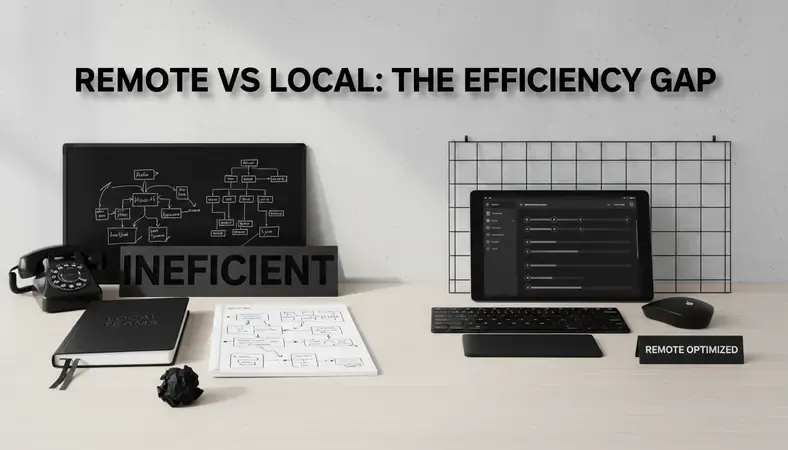
Local web design companies often provide more flexibility for urgent requests or last-minute changes, but this flexibility can sometimes lead to scope creep or less structured project management. The ability to schedule impromptu meetings or make quick decisions can accelerate certain aspects of the project while potentially slowing others due to less formal processes.
Remote web design companies typically operate with more structured timelines and change management processes. While this might seem less flexible initially, it often results in more predictable project completion dates and better budget control. The structured approach forces clearer decision-making upfront, which can ultimately save time during the development process.
Long-Term Relationship and Support Considerations
The choice between local and remote significantly affects your ongoing relationship with your web design team. Local companies often become integrated into your broader business network, providing ongoing consultation that extends beyond website maintenance to include strategic business advice and local market insights.
Remote companies typically offer more scalable support models and can often provide faster response times for technical issues due to their global operational capacity. However, the relationship tends to be more transactional and project-focused rather than evolving into broader business partnerships.
Why It Matters: Your website isn't a one-time project—it's an evolving business asset that requires ongoing optimization, updates, and strategic adjustments. Your choice of web design partner affects how well this evolution is supported over time.
Quality Control and Accountability Factors
Local web design companies offer more direct accountability through personal relationships and local reputation concerns. If issues arise, you have multiple avenues for resolution, including in-person meetings and local business networks. This accountability can translate into more responsive problem-solving and greater attention to client satisfaction.
Remote companies rely primarily on professional reputation and systematic quality control processes. While this can result in highly standardized service delivery, it may provide fewer options for dispute resolution or relationship repair if problems occur.
Business Growth and Scalability Alignment
Consider how each approach aligns with your business growth plans. If you're planning to expand locally or regionally, a local web design company might better understand and support this growth through local market knowledge and network connections.
If your growth plans include national or international expansion, remote web design companies might offer better scalability and global market understanding. They can often provide insights from working with businesses in diverse markets and can more easily support multi-location or international website requirements.
Making the Right Choice: A Decision Framework
Choosing between local and remote web design companies requires systematic evaluation of your specific needs, constraints, and priorities. This framework helps you assess which approach offers the best fit for your unique situation and business objectives.
Assessing Your Communication Style and Preferences
Start by honestly evaluating your communication preferences and management style. If you prefer face-to-face meetings, spontaneous brainstorming sessions, and building personal relationships with service providers, local web design companies might align better with your working style.
If you're comfortable with digital communication, appreciate detailed documentation, and prefer structured project management approaches, remote companies might provide a better experience. Consider your team's technical comfort level with collaboration tools and their availability for scheduled communication sessions.
Project Complexity and Specialization Requirements
Evaluate your project's technical complexity and specialization needs. Simple brochure websites or local business sites might be well-served by local companies with good general skills and local market understanding. Complex e-commerce platforms, custom applications, or specialized industry requirements might benefit from remote companies with specific expertise.
Consider whether your project requires cutting-edge technologies, specialized integrations, or niche industry experience that might not be available in your local market. Also evaluate whether ongoing technical support and updates will require specialized knowledge.
Budget and Value Optimization Analysis
Develop a comprehensive budget analysis that goes beyond initial project costs. Consider factors like:
- Total Project Cost: Including all phases from planning through launch
- Ongoing Maintenance: Monthly or annual support and update costs
- Revision and Change Management: How each approach handles scope changes
- Long-term Value: ROI considerations and strategic business value
Remember that the lowest initial quote isn't always the most cost-effective option when you factor in communication efficiency, revision cycles, and long-term support quality.
Timeline and Urgency Considerations
Assess your project timeline requirements and tolerance for different working styles. If you need frequent check-ins, immediate responses to questions, or the ability to make urgent changes, local companies might provide better service.
If you prefer structured milestone-based progress with detailed reporting and can work within planned communication schedules, remote companies often provide more predictable timeline adherence.
Decision Matrix for Web Design Company Selection
| Factor | Weight | Local Advantage | Remote Advantage |
|---|---|---|---|
| Communication Style | High | Face-to-face meetings, immediate access | Structured digital processes, documentation |
| Technical Expertise | High | Local market understanding | Global talent pool, specialization |
| Cost Considerations | Medium | Predictable pricing, local accountability | Competitive rates, value optimization |
| Project Complexity | High | Relationship-based problem solving | Specialized skills, systematic approaches |
| Timeline Flexibility | Medium | Immediate availability, urgent changes | Structured milestones, predictable delivery |
| Long-term Support | Medium | Ongoing local partnership | Scalable global support |
Pro Tip: Weight each factor based on your specific priorities, then score each approach to create a quantitative comparison that supports your decision-making process.
Red Flags and Warning Signs
Regardless of whether you choose local or remote, watch for these warning signs during your evaluation process:
- Poor Communication: Slow response times, unclear explanations, or difficulty understanding your requirements
- Limited Portfolio: Lack of relevant examples or reluctance to share previous work
- Unrealistic Promises: Extremely low prices, impossible timelines, or guaranteed results
- No Clear Process: Inability to explain their development methodology or project management approach
- Limited Technical Discussion: Avoiding technical details or providing vague answers about capabilities
Common Questions About Web Design Company Selection
How do I evaluate the quality of a web design company's work?
Evaluating web design quality requires examining multiple dimensions beyond visual appeal. Start by reviewing their portfolio for projects similar to yours in scope, industry, and complexity. Pay attention to website functionality, loading speed, mobile responsiveness, and user experience design rather than just visual aesthetics.
Request references from recent clients and ask specific questions about communication quality, timeline adherence, problem-solving capabilities, and ongoing support. Test their existing websites across different devices and browsers to assess technical competence.
Look for evidence of strategic thinking in their work—do their websites clearly communicate business value propositions, guide users toward desired actions, and demonstrate understanding of conversion optimization principles? Quality web design companies should be able to explain the strategic reasoning behind their design decisions.
What questions should I ask potential web design companies?
Prepare a comprehensive list of questions that reveal both technical capabilities and working style compatibility. Ask about their development process, project management methodology, and communication protocols. Inquire about their experience with your industry, similar project complexity, and specific technical requirements.
Essential questions include: How do you handle scope changes and revisions? What's included in your ongoing support and maintenance? How do you approach search engine optimization and website performance? What's your typical project timeline and what factors might affect it?
For remote companies, ask about time zone coordination, communication schedules, and how they handle urgent issues. For local companies, inquire about their local market experience and ongoing availability for in-person meetings.
Expert Tip: The quality of their answers often matters more than the specific content—look for detailed, thoughtful responses that demonstrate genuine understanding of your needs and clear communication skills.
How important is industry-specific experience in web design?
Industry-specific experience can be valuable but isn't always essential, depending on your project requirements. Companies with relevant industry experience understand regulatory requirements, user expectations, and competitive landscapes that can accelerate project development and improve outcomes.
However, strong general web design skills, combined with willingness to research and understand your industry, can often produce excellent results. Sometimes fresh perspectives from outside your industry can lead to innovative approaches that differentiate your website from competitors.
Evaluate whether your industry has specific compliance requirements, technical integrations, or user experience patterns that require specialized knowledge. Industries like healthcare, finance, or e-commerce often benefit from specialized experience, while many service businesses can work effectively with generalist web designers.
What's the typical timeline for a professional website project?
Professional website timelines vary significantly based on project complexity, scope, and the chosen development approach. Simple business websites typically require 4-8 weeks from project initiation to launch, while complex e-commerce or custom application projects might require 3-6 months or longer.
The timeline includes several phases: discovery and planning (1-2 weeks), design and approval (2-4 weeks), development and content integration (2-8 weeks), testing and revisions (1-2 weeks), and launch preparation (1 week). Each phase's duration depends on project complexity and client responsiveness.
Remote companies often provide more predictable timelines due to structured processes, while local companies might offer more flexibility for urgent requests but potentially less predictable completion dates. Factor in your own availability for feedback, content provision, and decision-making when evaluating timeline estimates.
How do I ensure effective communication with a remote web design team?
Successful remote collaboration requires establishing clear communication protocols upfront. Define preferred communication channels, response time expectations, and regular meeting schedules. Most remote teams use project management platforms that provide transparency into project progress and facilitate organized feedback.
Schedule regular video calls to maintain personal connection and ensure alignment on project direction. Prepare detailed briefs and feedback documents rather than relying on casual conversation. Many remote teams actually provide superior project documentation because their processes require explicit communication.
Establish clear escalation procedures for urgent issues and ensure you have multiple contact methods for the remote team. Many successful remote collaborations develop stronger communication practices than local projects because they require more intentional, structured interaction.
What ongoing support should I expect after website launch?
Professional web design companies should provide comprehensive post-launch support that includes technical maintenance, security updates, and performance monitoring. Typical support packages include regular software updates, backup management, security monitoring, and technical troubleshooting.
Expect different levels of support from local versus remote companies. Local companies often provide more personalized, relationship-based support and can offer in-person assistance when needed. Remote companies typically offer more systematic support through help desk systems and may provide faster response times due to global operational capacity.
Clarify what's included in ongoing support versus what requires additional fees. Understanding the long-term cost structure helps you budget appropriately and ensures you receive the level of support your business requires for optimal website performance.
Wrapping Up
Choosing between local and remote web design companies ultimately depends on your specific business needs, communication preferences, and project requirements. Local companies excel at building personal relationships, providing immediate accessibility, and understanding regional market dynamics. Remote companies offer access to specialized expertise, competitive pricing, and sophisticated digital collaboration methods. Consider your project complexity, budget constraints, timeline requirements, and long-term support needs when making this important decision. Get started with Dope Theme to explore professional web design solutions that align with your business goals. Ready to get started? Visit Dope Theme to learn more.