When you search for "web design near me," you're facing a choice that could shape your entire digital presence. You might assume that working with a local web design agency is always better, but the reality is more nuanced. Remote web design has revolutionized how businesses approach their online presence, offering access to global talent pools and often more competitive pricing. The question isn't just about proximity—it's about finding the right fit for your specific needs, budget, and timeline.
Both local and remote web design approaches have their place in today's digital landscape. Understanding the key differences, benefits, and potential drawbacks of each option will help you make an informed decision that aligns with your business goals and working style.
Understanding Your Web Design Options
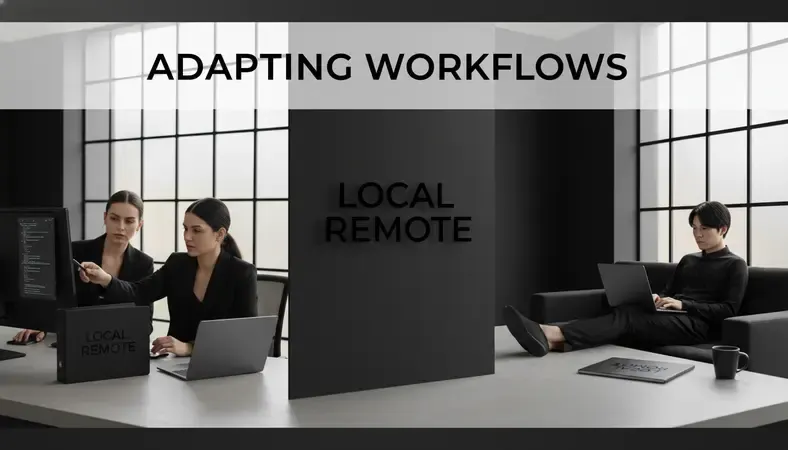
The web design industry has undergone a dramatic transformation over the past decade. Where businesses once relied exclusively on local agencies within driving distance, today's options span the globe. This shift has created two distinct approaches to web design services, each with unique characteristics and benefits.
Local Web Design Services
Local web design refers to working with agencies, freelancers, or design studios physically located in your geographic area. These providers typically serve businesses within a specific radius, often emphasizing face-to-face meetings and local market knowledge. Local web design companies usually maintain physical offices, hire local talent, and build their reputation within specific communities.
The local approach often appeals to businesses that value personal relationships and direct communication. Many local agencies specialize in serving particular industries or business types common to their region. For example, a web design agency in a tourist destination might specialize in hospitality websites, while one in a tech hub might focus on SaaS companies.
Remote Web Design Services
Remote web design encompasses any provider you work with without regular in-person meetings. This includes freelancers from other cities or countries, distributed agencies with team members across multiple locations, and specialized design studios that operate entirely online. Remote providers leverage digital communication tools, project management platforms, and cloud-based collaboration software to deliver their services.
The remote model has exploded in popularity, particularly after 2020 when businesses worldwide adapted to digital-first operations. This approach often provides access to specialized expertise that might not be available locally, potentially at more competitive rates due to varying cost structures across different regions.
Key Insight: The choice between local and remote web design isn't just about geography—it's about communication preferences, project complexity, and the specific expertise your project requires.
Hybrid Approaches
Some businesses opt for hybrid models, combining elements of both approaches. This might involve working with a local project manager who coordinates with remote specialists, or choosing a local agency that subcontracts certain tasks to remote experts. These hybrid approaches attempt to capture the benefits of both models while minimizing their respective drawbacks.
Detailed Comparison: Local vs Remote Web Design
Understanding the practical differences between local and remote web design requires examining multiple factors that impact project success, cost, and overall experience.
Communication and Collaboration
Local web design services excel in direct, immediate communication. Face-to-face meetings allow for nuanced discussions about design preferences, brand vision, and project requirements. Body language, tone, and immediate feedback create a communication richness that's difficult to replicate digitally. Local providers can also respond quickly to urgent requests or last-minute changes, often accommodating same-day meetings or phone calls.
Remote web design relies heavily on digital communication tools. While this might seem limiting, many remote providers have perfected asynchronous communication methods that can actually improve project documentation and clarity. Video calls, screen sharing, project management platforms, and collaborative design tools enable effective remote collaboration. However, time zone differences can create delays, and some nuances might be lost in digital communication.
Cost Structure and Pricing
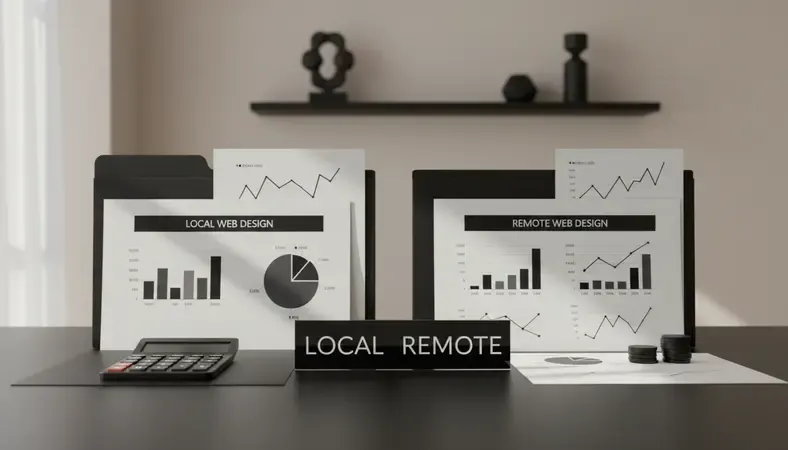
Local web design pricing typically reflects the cost of living and business expenses in your area. In major metropolitan areas, this can result in significantly higher costs due to expensive office space, higher salaries, and increased operational expenses. However, local providers often offer more predictable pricing and fewer hidden costs, as they're familiar with local business practices and regulations.
Remote web design often provides cost advantages, particularly when working with providers in regions with lower cost structures. However, pricing can vary dramatically based on the provider's location, expertise level, and the complexity of your project. Some remote providers offer premium services at competitive rates by eliminating overhead costs associated with physical offices.
Expertise and Specialization
Local markets may have limited options for specialized web design needs. If you require expertise in a specific industry, technology, or design approach, your local options might be restricted. However, local providers often have deep understanding of regional business practices, local SEO requirements, and market preferences that can be valuable for businesses serving local customers.
Remote web design opens access to global talent pools and specialized expertise. You can find providers who specialize in your specific industry, technology stack, or design aesthetic regardless of their physical location. This is particularly valuable for businesses with unique requirements or those operating in niche markets.
Project Timeline and Availability
Local providers often have more flexible scheduling for urgent projects or last-minute changes. The ability to schedule in-person meetings or phone calls during business hours can accelerate decision-making and project progression. However, local agencies might have limited capacity, particularly smaller firms that serve specific geographic areas.
Remote providers may offer more availability due to different time zones and business models. Some remote teams work around the clock by leveraging global team members, potentially accelerating project timelines. However, coordination across time zones can also create delays if not managed properly.
Pros and Cons of Local Web Design
Advantages of Local Web Design
Local web design services offer several compelling benefits that make them attractive for many businesses. Personal relationships form the foundation of local web design success. Meeting face-to-face builds trust and understanding that can lead to better project outcomes. You can visit their office, meet team members, and develop ongoing relationships that extend beyond individual projects.
Immediate support and accessibility represent significant advantages. When issues arise or you need urgent updates, local providers can often respond within hours rather than days. This responsiveness is particularly valuable for businesses that experience seasonal rushes or time-sensitive marketing campaigns.
Local market knowledge provides insights that remote providers might miss. Local web designers understand regional preferences, local competitors, and market dynamics that can inform design decisions. They're familiar with local business practices, networking opportunities, and referral sources that can benefit your business beyond the website itself.
Legal and regulatory familiarity ensures compliance with local requirements. Local providers understand state and municipal regulations, accessibility requirements, and industry-specific compliance needs relevant to your area.
Pro Tip: Local providers often become long-term partners who understand your business evolution and can provide ongoing strategic advice beyond web design.
Disadvantages of Local Web Design
Despite their advantages, local web design services have notable limitations. Limited talent pool represents the most significant constraint. Your local area might not have providers with the specific expertise, industry experience, or technical skills your project requires. This limitation becomes more pronounced in smaller markets or for businesses with specialized needs.
Higher costs often result from local market economics. Providers in expensive markets must charge rates that cover their operational costs, which might be significantly higher than remote alternatives. These costs can be particularly challenging for small businesses or startups with limited budgets.
Scheduling constraints can slow project progress. Local providers often juggle multiple local clients, and their availability might not align with your timeline needs. Popular local agencies might have waiting lists that delay project starts.
Potential conflicts of interest can arise in smaller markets where web design providers work with competing businesses. This might limit their availability or create concerns about confidentiality and competitive advantage.
Pros and Cons of Remote Web Design
Advantages of Remote Web Design
Remote web design services have transformed how businesses approach their digital presence, offering unique benefits that local providers often can't match. Access to global talent represents the most significant advantage. You can work with specialists who have specific expertise in your industry, technology requirements, or design aesthetic, regardless of their physical location. This global reach is particularly valuable for businesses in niche markets or those requiring specialized technical skills.
Cost efficiency often makes remote web design attractive for budget-conscious businesses. Providers in regions with lower cost structures can offer competitive rates without compromising quality. Additionally, remote providers typically have lower overhead costs, savings they can pass on to clients.
Diverse perspectives and creativity emerge from working with providers from different cultural and professional backgrounds. This diversity can lead to innovative design solutions and approaches that local providers might not consider. Remote teams often bring fresh perspectives to familiar challenges.
Scalability and flexibility characterize many remote web design operations. Remote providers can often scale teams up or down based on project requirements, bringing in specialists for specific phases of your project. This flexibility can be particularly valuable for complex projects requiring multiple skill sets.
Advanced digital processes are often more refined among remote providers who have built their entire business model around digital collaboration. These providers typically use sophisticated project management tools, communication platforms, and quality assurance processes that can improve project outcomes.
Expert Tip: Remote providers who have built successful businesses serving global clients often have more refined processes and better communication skills than those who rely primarily on local relationships.
Disadvantages of Remote Web Design
Remote web design also presents challenges that businesses must carefully consider. Communication barriers can complicate project management and decision-making. Time zone differences might create delays in feedback cycles, and cultural or language differences can lead to misunderstandings about project requirements or expectations.
Limited immediate support can be problematic when urgent issues arise. While many remote providers offer excellent support, the lack of same-time-zone availability can create delays when you need immediate assistance or have time-sensitive requests.
Quality control concerns might arise from the inability to directly oversee work processes or meet team members face-to-face. While many remote providers maintain high quality standards, the distance can make it challenging to assess capabilities and working methods before committing to a project.
Project management complexity increases when working across time zones and digital platforms. Coordinating feedback, approvals, and revisions requires more structured processes and clear communication protocols than local projects might need.

When to Choose Local Web Design
Local web design services excel in specific scenarios where proximity, personal relationships, and immediate availability provide significant advantages. Understanding these situations helps you determine when the local approach aligns with your business needs and project requirements.
Complex, High-Stakes Projects
Local web design becomes particularly valuable for complex projects requiring extensive collaboration and frequent decision-making. Large e-commerce implementations, enterprise-level websites, or projects involving multiple stakeholders benefit from the immediate communication and collaboration that local providers offer. When project success depends on nuanced understanding of business requirements and rapid iteration based on stakeholder feedback, face-to-face meetings can accelerate progress and reduce misunderstandings.
Financial services, healthcare, and legal websites often fall into this category due to strict compliance requirements and the need for detailed understanding of regulatory environments. Local providers can more easily navigate these complexities and provide immediate consultation when questions arise.
Ongoing Relationship Requirements
Businesses that view web design as part of a broader, ongoing relationship with a marketing or technology partner often prefer local providers. This approach works well for companies that need regular updates, ongoing optimization, or integrated marketing services that extend beyond the initial website development.
Local providers can more easily integrate with your existing business processes, attend team meetings, and participate in strategic planning sessions. This integration is particularly valuable for businesses that treat their website as a central component of their marketing strategy rather than a standalone project.
Industry-Specific Local Requirements
Certain industries benefit significantly from local market knowledge and relationships. Real estate websites need understanding of local market dynamics, legal requirements, and MLS integration specific to their region. Restaurant and hospitality businesses benefit from providers who understand local tourism patterns, seasonal variations, and regional preferences.
Professional service providers like law firms, medical practices, and financial advisors often need websites that reflect local market positioning and comply with regional regulations. Local web design providers bring inherent understanding of these requirements and can navigate compliance issues more effectively.
Why It Matters: Local providers often have established relationships with other service providers you might need, such as photographers, copywriters, or marketing specialists familiar with your market.
Immediate Support Requirements
Businesses with time-sensitive operations or those that experience unpredictable traffic spikes often benefit from local web design providers who can offer immediate support. E-commerce businesses during holiday seasons, event-based businesses, or companies launching time-sensitive campaigns need providers who can respond quickly to urgent requests.
Local providers can often accommodate emergency meetings, same-day consultations, or urgent technical support that might be difficult to coordinate with remote teams across different time zones.
When to Choose Remote Web Design
Remote web design services offer distinct advantages in scenarios where specialized expertise, cost efficiency, or unique perspectives provide more value than proximity. Recognizing these situations helps you leverage the global talent pool effectively while managing the inherent challenges of remote collaboration.
Specialized Technical Requirements
Remote web design becomes essential when your project requires specialized technical expertise that isn't available locally. Custom web applications, advanced e-commerce functionality, specific CMS implementations, or integration with unique third-party systems often require specialists who have deep experience with particular technologies or platforms.
Software companies, tech startups, and businesses with complex technical requirements benefit from accessing global talent pools where they can find providers with specific experience in their technology stack. Rather than settling for a local provider who might need to learn new technologies, remote options allow you to work with proven experts.
Budget Optimization Projects
Startups, small businesses, and organizations with limited budgets often find better value in remote web design services. The cost efficiencies available through remote providers can make professional web design accessible to businesses that couldn't afford local market rates.
This approach works particularly well for businesses that have clear project requirements, strong internal project management capabilities, and realistic timelines that accommodate remote collaboration challenges. The cost savings can be substantial enough to offset the additional coordination effort required.
Creative and Design Innovation
Businesses seeking innovative design approaches, unique aesthetic directions, or creative solutions that break from local market conventions often benefit from remote providers. Working with designers from different cultural backgrounds and market experiences can result in fresh perspectives and creative approaches that local providers might not offer.
Fashion brands, creative agencies, technology companies, and businesses targeting global markets often find value in design perspectives that aren't constrained by local market conventions or expectations.
Flexible Timeline Projects
Projects with flexible timelines and well-defined requirements are ideal candidates for remote web design. When you can accommodate longer communication cycles and don't need immediate turnaround on feedback or changes, remote providers can deliver excellent results while offering cost and expertise advantages.
Content-heavy websites, portfolio sites, and informational websites often fall into this category. These projects typically have clear requirements, predictable scope, and timeline flexibility that makes remote collaboration manageable.
Global Market Focus
Businesses targeting international markets or global audiences often benefit from working with remote providers who understand diverse market preferences and cultural considerations. E-commerce businesses selling internationally, SaaS companies with global user bases, or service providers targeting multiple geographic markets can leverage remote providers' international experience.
Remote providers often bring insights about global design trends, international user experience preferences, and cross-cultural design considerations that can improve your website's effectiveness across different markets.
Key Takeaway: Remote web design works best when you have clear project requirements, strong internal communication processes, and the flexibility to work within remote collaboration constraints.
Decision Framework for Choosing Your Approach
Making the right choice between local and remote web design requires a systematic evaluation of your specific situation, priorities, and constraints. This framework helps you assess the key factors that should influence your decision.
Assessing Your Project Requirements
Begin by evaluating the complexity and scope of your web design project. Simple informational websites with straightforward requirements often work well with either local or remote providers, making cost and timeline the primary deciding factors. Complex e-commerce sites, custom web applications, or projects requiring extensive third-party integrations may benefit from the specialized expertise available through remote providers, unless you have local providers with specific relevant experience.
Ongoing maintenance and update requirements should influence your decision significantly. Projects that will require frequent updates, regular content changes, or ongoing optimization might benefit from local providers who can offer immediate support and regular check-ins.
Compliance and regulatory requirements need careful consideration. Industries with strict regulatory requirements, such as healthcare, finance, or legal services, might benefit from local providers familiar with regional compliance needs, unless you can find remote providers with specific expertise in your regulatory environment.
Evaluating Your Communication Preferences
Your communication style and preferences play a crucial role in provider selection success. Face-to-face communication preferences clearly favor local providers, particularly if you prefer to build relationships through in-person meetings and direct interaction. Digital communication comfort opens up remote options, especially if you're already comfortable with video calls, project management platforms, and asynchronous communication.
Decision-making speed requirements should factor into your choice. If your business requires rapid decisions and quick iterations, local providers might offer advantages. However, if you can work with structured feedback cycles and planned communication schedules, remote providers can be equally effective.
Team involvement levels matter significantly. Projects requiring input from multiple internal stakeholders might benefit from local providers who can facilitate group meetings and collaborative sessions more easily.
Budget and Timeline Considerations
Budget constraints often make remote providers attractive, but consider the total cost of ownership including potential additional project management overhead, communication tools, and the time investment required for remote coordination. Timeline flexibility becomes crucial for remote projects, as communication delays and coordination challenges can extend project schedules.
Rush project requirements typically favor local providers who can accommodate urgent timelines and immediate availability. However, some remote providers specialize in fast turnaround projects and might offer competitive timelines through global team coverage.
Long-term Relationship Goals
Consider whether you're seeking a one-time project completion or an ongoing partnership. Long-term strategic partnerships often work better with local providers who can integrate more closely with your business operations and provide ongoing consultation. Project-specific relationships might work well with remote specialists who can deliver excellent results for defined scopes.
Growth and scaling plans should influence your decision. If you anticipate significant website evolution, ongoing optimization needs, or regular updates, the relationship model becomes more important than the initial project delivery method.
Risk Tolerance Assessment
Evaluate your comfort level with different types of project risks. Communication risks are generally higher with remote providers, while cost risks might be higher with local providers in expensive markets. Quality risks exist with both approaches but manifest differently—local providers might have capacity limitations, while remote providers might have coordination challenges.
Support and maintenance risks need consideration for ongoing relationships. Local providers typically offer more predictable ongoing support, while remote providers might offer more specialized expertise but with potential availability constraints.
Comparison of Key Decision Factors
| Factor | Local Web Design | Remote Web Design | Best Choice When |
|---|---|---|---|
| Communication | Face-to-face meetings, immediate response | Digital tools, potential time delays | You prefer direct interaction vs. you're comfortable with digital communication |
| Cost | Higher in expensive markets | Often more competitive | Budget is tight vs. relationship value is priority |
| Expertise | Limited to local talent | Global talent pool access | Local skills meet needs vs. specialized expertise required |
| Timeline | Flexible for urgent needs | May require longer coordination | You have urgent deadlines vs. flexible timelines |
| Support | Immediate local availability | Digital support, possible delays | You need immediate support vs. you can plan support needs |
| Relationship | Personal, ongoing partnership | Project-focused, professional | You want long-term partnership vs. specific project completion |
Pro Tip: The best choice often depends on which factors matter most for your specific situation rather than which approach is generally "better."
Making Your Final Decision
Your choice between local and remote web design should align with your business priorities, project requirements, and working style preferences. Neither approach is universally superior—the right choice depends on your specific circumstances and what you value most in a web design partnership.
Choose local web design when you prioritize personal relationships, need immediate support availability, have complex project requirements that benefit from face-to-face collaboration, or operate in industries where local market knowledge provides significant advantages. Local providers excel when ongoing partnerships matter more than initial cost savings.
Choose remote web design when you need specialized expertise not available locally, have budget constraints that make cost efficiency important, can work effectively with digital communication tools, or want access to innovative design perspectives from global talent pools. Remote providers work best when you have clear project requirements and can manage digital collaboration effectively.
Consider hybrid approaches when you want to capture benefits from both models. This might involve working with a local project manager who coordinates remote specialists, or choosing providers who offer both local presence and access to global talent.
The web design landscape continues evolving, with both local and remote providers adapting to changing client needs and technological capabilities. The most successful projects often result from choosing providers whose working style, expertise, and approach align with your specific needs rather than defaulting to either local or remote based on general preferences.
Focus on finding providers who demonstrate understanding of your industry, show clear communication skills, and present portfolios that align with your vision. Whether they're located down the street or across the globe matters less than their ability to deliver results that support your business goals. Get started with Dope Theme to explore professional web design solutions that combine the best of both approaches.