

Ever wondered what exactly a web design company does beyond just making websites look pretty? These specialized agencies are the architects of the digital world, crafting online experiences that drive business success. A web design company combines technical expertise with creative vision to build websites that not only look stunning but also convert visitors into customers. Whether you're a freelancer looking to understand the industry landscape or a digital agency seeking to refine your services, understanding how web design companies operate is crucial for success in today's competitive market.
What Is a Web Design Company?
A web design company is a specialized business that creates, develops, and maintains websites for clients across various industries. These companies serve as the bridge between a business's vision and its digital presence, transforming ideas into functional, visually appealing websites that achieve specific business objectives.

The Core Definition and Scope
At its foundation, a web design company provides comprehensive digital solutions that go far beyond simple website creation. These businesses combine artistic design principles with technical programming skills to deliver complete online experiences. The scope typically includes visual design, user experience optimization, content management system integration, and ongoing website maintenance.
Key Insight: A successful web design company doesn't just build websites—they create digital ecosystems that support their clients' business goals through strategic design and technical implementation.
Modern web design companies have evolved from simple coding shops into full-service digital partners. They understand that a website serves as the primary touchpoint between businesses and their customers, making the quality of design and functionality critical to business success. This evolution has led to specialization in areas like e-commerce development, mobile-first design, and conversion rate optimization.
Types of Web Design Companies
The web design industry encompasses several distinct types of companies, each serving different market segments and client needs. Understanding these categories helps businesses choose the right partner for their specific requirements.
Full-Service Digital Agencies represent the most comprehensive option, offering everything from initial strategy and branding to website development, digital marketing, and ongoing support. These companies typically work with larger clients who need extensive digital services and have substantial budgets for comprehensive campaigns.
Specialized web design studios focus exclusively on website creation and related services. They excel in specific areas like user interface design, responsive development, or particular industries such as healthcare or finance. These studios often provide more personalized attention and deeper expertise in their chosen specializations.
Freelance web designers operate as individual professionals or small teams, offering flexibility and cost-effective solutions for smaller businesses. While they may have limitations in terms of resources and capacity, freelance designers often provide highly personalized service and specialized skills.
The Business Model Behind Web Design Companies
Web design companies typically operate on project-based pricing models, though many have expanded to include retainer relationships and ongoing service agreements. The traditional model involves initial consultation, project scoping, design and development phases, and final delivery with optional maintenance packages.
Revenue streams often include initial website development fees, ongoing maintenance contracts, hosting services, and additional digital marketing services. Many successful web design companies have diversified their offerings to include search engine optimization, content creation, and social media management to create recurring revenue opportunities.
Why It Matters: Understanding the business model helps clients set realistic expectations for project timelines, costs, and the level of ongoing support they can expect from their web design partner.
The most successful web design companies position themselves as strategic partners rather than just service providers. They invest time in understanding their clients' business objectives, target audiences, and competitive landscapes to deliver solutions that drive measurable results rather than just aesthetic improvements.
How Web Design Companies Operate
The operational framework of a web design company involves a carefully orchestrated process that transforms client requirements into functional websites. This process typically begins with discovery and strategy, moves through design and development phases, and concludes with testing, launch, and ongoing support.
The Discovery and Strategy Phase
Every successful web design project begins with comprehensive discovery work that uncovers the client's business objectives, target audience characteristics, and competitive positioning. During this phase, web design companies conduct stakeholder interviews, analyze existing digital assets, and research industry best practices to inform their strategic approach.
The discovery process typically involves detailed questionnaires about business goals, brand guidelines, functional requirements, and budget constraints. Professional web design companies use this information to create project briefs that align client expectations with realistic deliverables and timelines.
Pro Tip: The most effective web design companies spend 20-30% of their total project time in the discovery phase, as thorough upfront planning prevents costly revisions and ensures the final product meets client objectives.
Strategy development follows discovery work and involves creating site maps, user personas, and content strategies that guide the design and development process. This strategic foundation ensures that every design decision supports the client's business objectives rather than just aesthetic preferences.
Design and User Experience Development
The design phase transforms strategic insights into visual concepts that communicate the client's brand message while optimizing user experience. Web design companies typically begin with wireframes and mockups that establish the basic structure and functionality before adding visual design elements.
User experience design has become increasingly important as businesses recognize that website usability directly impacts conversion rates and customer satisfaction. Professional web design companies conduct user research, create user journey maps, and design interfaces that guide visitors toward desired actions.
Visual design work involves creating cohesive color schemes, typography systems, and imagery that reinforce brand identity while ensuring accessibility and readability across different devices and browsers. The best web design companies balance aesthetic appeal with functional requirements to create websites that both look professional and perform effectively.
Development and Technical Implementation
The development phase involves converting approved designs into functional websites using various programming languages and content management systems. Web design companies typically specialize in specific platforms like WordPress, Shopify, or custom-built solutions depending on client needs and project requirements.
Modern web development requires expertise in responsive design techniques that ensure websites function properly on desktop computers, tablets, and mobile devices. Professional web design companies test their work across multiple browsers and devices to ensure consistent user experiences regardless of how visitors access the website.
Technical implementation also includes search engine optimization fundamentals, website security measures, and performance optimization to ensure fast loading times and reliable functionality. These technical considerations are crucial for long-term website success and user satisfaction.
Quality Assurance and Testing
Before launching any website, professional web design companies conduct comprehensive testing to identify and resolve potential issues. This testing process includes functionality testing, cross-browser compatibility checks, mobile responsiveness verification, and performance optimization.
Quality assurance extends beyond technical testing to include content review, link verification, and user experience evaluation. Many web design companies involve clients in the testing process to ensure the final product meets expectations and functions as intended.
Expert Tip: Professional web design companies maintain detailed testing checklists that cover everything from basic functionality to advanced security measures, ensuring no critical elements are overlooked before launch.
Key Components of Web Design Services
Understanding the essential components that web design companies provide helps businesses evaluate potential partners and set appropriate expectations for their projects. These components work together to create comprehensive digital solutions that support business objectives.
Visual Design and Brand Integration
Visual design represents the most visible aspect of web design services, encompassing everything from color schemes and typography to imagery and layout composition. Professional web design companies understand that visual design must support brand identity while optimizing user experience and conversion potential.
Brand integration involves translating existing brand guidelines into digital formats or developing new brand elements specifically for web use. This process ensures consistency across all marketing materials and reinforces brand recognition among website visitors.
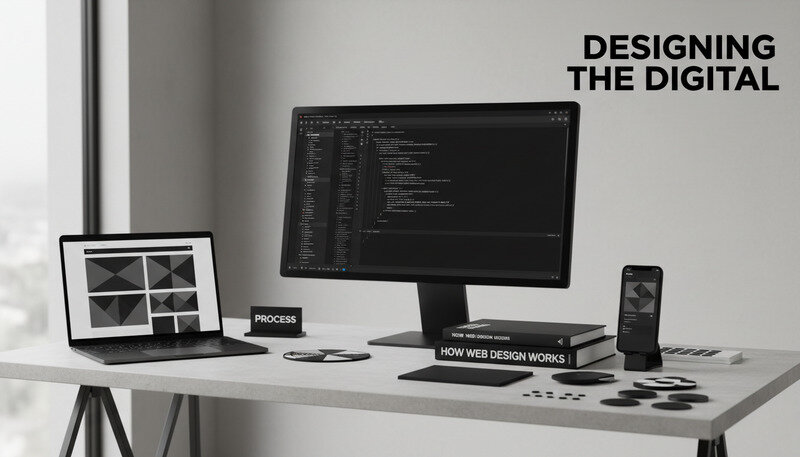
The visual design process typically involves multiple revision rounds where clients provide feedback on initial concepts before final designs are approved and implemented. Professional web design companies manage this process efficiently while ensuring client satisfaction with the final visual outcome.
User Experience and Interface Design
User experience design focuses on creating intuitive navigation systems and logical information architecture that helps visitors find what they're looking for quickly and easily. This component has become increasingly important as businesses recognize the direct correlation between website usability and business results.
Interface design involves creating interactive elements like buttons, forms, and menus that guide users through the website effectively. Professional web design companies understand the psychology behind user behavior and design interfaces that encourage desired actions while minimizing confusion or frustration.
Accessibility considerations ensure that websites function properly for users with disabilities, meeting legal requirements while expanding the potential audience for the business. Modern web design companies integrate accessibility features throughout the design process rather than treating them as afterthoughts.
Technical Development and Programming
The technical development component transforms visual designs into functional websites using various programming languages and frameworks. Web design companies typically specialize in specific technologies based on their expertise and client requirements.
Front-end development involves creating the visible portions of websites that users interact with directly, while back-end development handles server-side functionality like databases, user authentication, and content management systems. Professional web design companies coordinate both aspects to create seamless user experiences.
Content Management and Organization
Content management involves organizing and structuring website content in ways that support both user experience and search engine optimization. Web design companies help clients develop content strategies that align with business objectives while meeting audience needs.
Most web design companies integrate content management systems that allow clients to update their websites independently after launch. Training and documentation ensure that clients can maintain their websites effectively without requiring ongoing technical support for routine updates.
Key Takeaway: The best web design companies view content as a strategic asset that should be organized and presented in ways that support business objectives, not just fill space on web pages.
Benefits and Use Cases for Web Design Companies
Web design companies provide significant value across various business scenarios, from startup launches to enterprise-level digital transformations. Understanding these benefits helps businesses make informed decisions about when and how to engage professional web design services.
Enhanced Professional Credibility
Professional web design immediately enhances business credibility by creating polished digital experiences that reflect positively on the organization. Studies consistently show that users form opinions about website credibility within seconds of arrival, making professional design crucial for business success.
Web design companies understand the visual and functional elements that communicate professionalism and trustworthiness to website visitors. They apply design principles and industry best practices that individual businesses might not be aware of or have the expertise to implement effectively.
The credibility benefits extend beyond initial impressions to influence customer confidence throughout the buying process. Professional websites with clear navigation, secure checkout processes, and responsive customer support features encourage visitors to complete desired actions rather than abandoning the site for competitors.
Improved User Experience and Conversion Rates
Professional web design companies specialize in creating user experiences that guide visitors toward desired actions, whether that's making purchases, requesting quotes, or signing up for newsletters. This expertise directly impacts business results through improved conversion rates and customer satisfaction.
User experience optimization involves understanding how different audience segments interact with websites and designing interfaces that accommodate various user preferences and behaviors. Web design companies conduct research and testing to identify the most effective approaches for specific industries and target audiences.
Why It Matters: Businesses that invest in professional web design typically see conversion rate improvements of 20-40% compared to DIY or amateur designs, making the investment cost-effective for most organizations.
The conversion benefits compound over time as optimized websites continue generating better results from the same amount of traffic. This ongoing value makes professional web design a strategic investment rather than just a one-time expense.
Competitive Advantage in Digital Marketing
Professional websites serve as the foundation for all digital marketing efforts, from search engine optimization to social media campaigns. Web design companies create websites that support marketing objectives through optimized page structures, fast loading times, and mobile-responsive designs.
Search engine optimization benefits begin with proper website architecture and continue through content organization, meta tag implementation, and technical performance optimization. Professional web design companies understand these requirements and build them into websites from the beginning rather than trying to retrofit them later.
Social media integration and email marketing compatibility ensure that websites work seamlessly with other marketing channels to create cohesive customer experiences. This integration maximizes the return on investment from all marketing activities rather than treating the website as an isolated component.
Scalability and Future Growth Support
Professional web design companies build websites with growth in mind, creating flexible architectures that can accommodate additional features, content, and traffic as businesses expand. This forward-thinking approach prevents the need for complete redesigns as companies evolve.
Scalability considerations include database design, hosting requirements, and content management capabilities that support increasing volumes of products, services, or content without degrading performance. Professional web design companies understand these technical requirements and plan accordingly.
Industry-Specific Expertise and Compliance
Many web design companies specialize in specific industries, developing deep understanding of regulatory requirements, user expectations, and best practices that apply to particular business sectors. This specialization provides significant value for businesses in regulated industries or those with unique functional requirements.
Compliance considerations might include healthcare privacy requirements, financial services regulations, or accessibility standards that apply to government contractors. Professional web design companies with relevant experience can navigate these requirements efficiently while ensuring full compliance.
Common Misconceptions About Web Design Companies
Several persistent misconceptions about web design companies can lead to unrealistic expectations or poor decision-making when selecting design partners. Understanding these misconceptions helps businesses approach web design projects with appropriate expectations and evaluation criteria.
"All Web Design Companies Provide the Same Services"
One of the most common misconceptions is that all web design companies offer identical services and capabilities. In reality, the industry includes significant specialization, with some companies focusing exclusively on e-commerce development while others specialize in corporate websites or creative portfolios.
The range of services varies dramatically between different types of web design companies. Full-service digital agencies might offer comprehensive marketing services alongside web design, while specialized studios focus exclusively on user experience design or technical development. Understanding these differences is crucial for selecting the right partner.
Pro Tip: Before evaluating web design companies, clearly define your project requirements and business objectives to identify which type of company offers the best fit for your specific needs.
Service quality and approach also vary significantly between companies, even within the same specialization category. Some web design companies emphasize rapid delivery and cost efficiency, while others focus on comprehensive research and custom solutions that require longer development timelines.
"Cheaper Options Always Provide Better Value"
Price-focused decision-making often leads to disappointing results because the cheapest web design options typically involve significant compromises in quality, functionality, or ongoing support. Understanding the relationship between cost and value helps businesses make more informed decisions about web design investments.
Low-cost web design options often rely on template-based solutions that limit customization and may not align with specific business requirements. While these approaches can work for very basic websites, they often fail to deliver the strategic value that businesses need to compete effectively online.
The hidden costs of cheap web design frequently include ongoing maintenance issues, security vulnerabilities, and the eventual need for complete redesigns when initial solutions prove inadequate. Professional web design companies provide transparent pricing that reflects the true cost of quality work.
"Web Design Is Just About Making Things Look Pretty"
This misconception underestimates the strategic and technical complexity involved in professional web design. Modern web design encompasses user experience research, conversion optimization, technical development, and ongoing performance monitoring that goes far beyond visual aesthetics.
Strategic web design involves understanding business objectives, target audience behavior, and competitive positioning to create websites that drive specific business results. This strategic approach requires skills and expertise that extend well beyond graphic design capabilities.
Key Insight: The most successful web design projects focus on achieving measurable business objectives rather than just creating visually appealing designs, making strategic thinking as important as creative skills.
Technical requirements for modern websites include responsive design, search engine optimization, security implementation, and performance optimization that require specialized programming and development expertise. These technical considerations often have more impact on business results than visual design elements.
"DIY Website Builders Are Just as Good as Professional Design"
While DIY website builders have improved significantly in recent years, they still have fundamental limitations that make them unsuitable for businesses with serious growth objectives or specific functional requirements. Understanding these limitations helps businesses make informed decisions about when professional design services provide better value.
Customization limitations in DIY platforms often prevent businesses from implementing specific features or design elements that align with their brand identity or functional requirements. Professional web design companies can create completely custom solutions that address unique business needs.
Search engine optimization capabilities in DIY platforms are typically limited compared to professionally developed websites. Professional web design companies understand the technical requirements for effective SEO and can implement advanced optimization strategies that DIY platforms cannot support.
Best Practices for Working with Web Design Companies
Successful collaboration with web design companies requires clear communication, realistic expectations, and active participation throughout the design and development process. These best practices help ensure project success and maximize the value of professional web design investments.
Establishing Clear Project Requirements and Objectives
The foundation of any successful web design project involves clearly defining business objectives, functional requirements, and success metrics before beginning the design process. Web design companies need this information to create solutions that align with client expectations and deliver measurable results.
Project requirements should include detailed descriptions of desired functionality, target audience characteristics, content requirements, and integration needs with existing business systems. The more specific and comprehensive these requirements are, the more accurately web design companies can estimate costs and timelines.
Expert Tip: Create a comprehensive project brief that includes examples of websites you admire, specific features you need, and clear descriptions of what success looks like for your business. This documentation prevents misunderstandings and ensures everyone is working toward the same objectives.
| Maintenance Type | What's Included | Best For | Typical Cost Range |
|---|---|---|---|
| Basic Maintenance | Security updates, backups, uptime monitoring | Small businesses with simple websites | $50-150/month |
| Standard Maintenance | Basic services plus content updates, plugin management | Growing businesses with regular content changes | $150-400/month |
| Premium Maintenance | Full service plus SEO monitoring, performance optimization | Businesses dependent on web traffic for revenue | $400-1000/month |
Training on content management systems enables clients to handle routine updates independently while knowing when to contact their web design company for more complex changes. This balance provides cost-effective ongoing maintenance while ensuring professional oversight for important modifications.
Long-term relationship planning involves discussing how the website will evolve as the business grows and what types of updates or expansions might be needed in the future. Professional web design companies can build flexibility into initial designs that accommodate future growth without requiring complete redesigns.
Common Questions About Web Design Companies
How Much Should I Expect to Pay for Professional Web Design?
Web design costs vary significantly based on project complexity, company specialization, and geographic location, with basic business websites typically ranging from $3,000 to $10,000 and complex e-commerce or enterprise solutions costing $15,000 to $50,000 or more. Understanding the factors that influence pricing helps businesses budget appropriately and evaluate proposals effectively.
The scope of services included in web design projects significantly impacts pricing, with basic design-only services costing less than comprehensive packages that include content creation, SEO optimization, and ongoing maintenance. Many web design companies offer different service tiers to accommodate various budget levels and requirements.
Geographic location affects pricing, with web design companies in major metropolitan areas typically charging higher rates than those in smaller markets. However, remote collaboration has made it possible to work with companies regardless of location, expanding options for businesses seeking specific expertise or budget considerations.
Timeline requirements also influence costs, as expedited projects typically require additional resources and may incur rush charges. Planning web design projects well in advance allows for more competitive pricing and better resource allocation from design companies.
How Long Does a Typical Web Design Project Take?
Most professional web design projects take between 6 to 16 weeks from initial consultation to launch, depending on project complexity, client responsiveness, and the scope of services included. Understanding typical timelines helps businesses plan launches and coordinate with other marketing activities.
The discovery and planning phase typically requires 1-2 weeks, during which web design companies gather requirements, conduct research, and develop project strategies. This upfront investment in planning prevents delays and revisions during later phases of the project.
Design and development work usually takes 4-8 weeks for standard business websites, with more complex projects requiring additional time for custom functionality or extensive content creation. Client feedback and revision cycles can extend timelines, making prompt communication important for maintaining schedules.
Testing and launch preparation typically require 1-2 weeks to ensure all functionality works properly and content is properly optimized. Professional web design companies conduct comprehensive testing to prevent issues after launch.
What Should I Look for When Choosing a Web Design Company?
Portfolio quality and relevance represent the most important factors when evaluating web design companies, as past work demonstrates both technical capabilities and design aesthetic. Look for examples that align with your industry, target audience, and functional requirements rather than just visually appealing designs.
Client testimonials and case studies provide insight into the company's working style, communication approach, and ability to deliver results. Pay particular attention to testimonials from businesses similar to yours or projects with comparable complexity and requirements.
Technical expertise should align with your specific needs, whether that involves e-commerce functionality, content management systems, or integration with existing business tools. Ask potential web design companies about their experience with the specific technologies and platforms your project requires.
Communication style and project management approach significantly impact the overall experience and project success. During initial consultations, evaluate how well the company understands your requirements and explains their process in terms you can understand.
Do I Need to Provide Content for My Website?
Most web design companies expect clients to provide the majority of written content for their websites, as business owners typically have the best understanding of their products, services, and target audience messaging. However, many companies offer content creation services as additional options for clients who need assistance with writing.
Content requirements should be discussed early in the project planning process to ensure appropriate timeline and budget allocation. Some web design companies include basic content editing and optimization in their standard services, while others charge separately for extensive content creation.
High-quality images and other visual content significantly impact website effectiveness, and many businesses benefit from professional photography services. Web design companies can often recommend photographers or provide guidance on image requirements and specifications.
Content organization and strategy represent areas where web design companies provide significant value, helping clients structure information in ways that support both user experience and search engine optimization objectives.
Will My Website Work on Mobile Devices?
Professional web design companies routinely create responsive websites that automatically adapt to different screen sizes and devices, ensuring optimal user experience across desktop computers, tablets, and smartphones. Mobile compatibility is now considered a standard requirement rather than an optional feature.
Mobile-first design approaches prioritize smartphone user experience during the design process, recognizing that mobile traffic often represents the majority of website visitors for many businesses. This approach ensures that mobile users receive the best possible experience rather than a compromised version of desktop designs.
Testing across multiple devices and browsers ensures consistent functionality and appearance regardless of how users access the website. Professional web design companies maintain testing protocols that cover the most popular device and browser combinations.
Performance optimization for mobile devices involves considerations like image compression, loading speed optimization, and touch-friendly interface design that may not be necessary for desktop-only websites. These optimizations are crucial for mobile user satisfaction and search engine rankings.
How Will I Update My Website After It's Built?
Most professional web design companies integrate content management systems that allow clients to update text, images, and basic page content without technical knowledge. Training and documentation ensure that clients can handle routine updates confidently and independently.
The extent of self-service capabilities depends on the content management system chosen and how the website is structured. Simple updates like changing text or adding blog posts are typically straightforward, while more complex changes may require professional assistance.
Ongoing support options range from basic technical support for emergencies to comprehensive maintenance packages that include regular updates, security monitoring, and content assistance. Discussing these options during project planning ensures appropriate support levels are in place after launch.
Backup and security measures protect websites from data loss and security threats, with professional web design companies typically implementing automated backup systems and security monitoring as part of their maintenance services.
Wrapping Up
Understanding what a web design company does and how they operate empowers businesses to make informed decisions about their digital presence investments. From enhancing professional credibility to providing scalable solutions for future growth, professional web design services offer significant value for businesses serious about online success. The key lies in choosing the right partner, maintaining clear communication throughout the project, and planning for ongoing maintenance and updates that keep websites performing optimally over time. Get started with Dope Theme to explore professional web design solutions that align with your business objectives and growth plans. Ready to get started? Visit Dope Theme to learn more.