

When you’re ready to build a professional website, you face a crucial decision that will shape your entire project. Should you use a website builder with drag-and-drop simplicity, or dive into custom coding for complete control? Both approaches have their place in today’s web design landscape, and the right choice depends on your specific needs, budget, and technical comfort level.
The web design industry has evolved dramatically, offering more options than ever before. Email Marketing Website builders have become increasingly sophisticated, while custom development tools have become more accessible. Understanding the fundamental differences between these approaches will help you make an informed decision that aligns with your goals and resources.
In this comprehensive guide, we’ll examine both website builders and custom coding approaches, compare their strengths and weaknesses, and provide you with a clear framework for choosing the best path forward. You’ll learn about costs, time investments, scalability considerations, and real-world scenarios where each approach excels.
Understanding Your Web Design Website Options
The modern web design landscape offers two primary paths for creating professional websites. Each approach serves different needs and comes with distinct advantages and challenges that directly impact your project’s success.
Website builders represent the user-friendly approach to web development. These platforms provide pre-designed templates, drag-and-drop interfaces, and built-in hosting solutions. Popular options include Wix, Squarespace, Shopify, and WordPress.com, each targeting specific use cases and skill levels.
Custom coding involves building websites from scratch using programming languages like HTML, CSS, JavaScript, and various frameworks. This approach requires technical expertise but offers unlimited flexibility in design and functionality.
Why It Matters: Your choice between these approaches affects everything from initial costs to long-term maintenance, scalability potential, and the level of control you’ll have over your website’s evolution.
The decision isn’t always black and white. Many successful web design projects combine elements of both approaches, using website builders for rapid prototyping and custom code for specific functionality. Understanding when to use each method requires examining your project requirements, timeline, and available resources.
The Rise of Hybrid Approaches
Modern web development increasingly embraces hybrid solutions that blend the convenience of website builders with the flexibility of custom code. Platforms like Webflow, Framer, and advanced WordPress installations allow designers to work visually while generating clean, customizable code.
These hybrid platforms bridge the gap between simplicity and power, offering visual design tools that produce professional-grade code. They’re particularly valuable for designers who want creative control without deep programming knowledge, or developers who need to deliver projects quickly while maintaining code quality.
Comparing Web Design Methods
Understanding the fundamental differences between website builders and custom coding helps clarify which approach suits your specific project. Each method serves different priorities and comes with unique trade-offs in terms of cost, time, flexibility, and long-term viability.
Quick Comparison Overview
| Method | Best For | Time to Launch | Ongoing Control | Learning Curve |
|---|---|---|---|---|
| Website Builders | Small businesses, portfolios, quick launches | 1-4 weeks | Limited by platform | Minimal |
| Custom Code | Complex applications, unique designs, scalability | 2-6 months | Complete control | Steep |
| Hybrid Platforms | Design-focused projects, medium complexity | 3-8 weeks | Moderate control | Moderate |
This comparison reveals the core trade-off between speed and control. Website builders excel at rapid deployment and ease of use, while custom coding provides unlimited flexibility at the cost of complexity and time investment.
When to Choose Website Builders
Website builders shine in specific scenarios where speed, simplicity, and cost-effectiveness take priority over complete customization. They’re ideal for entrepreneurs who need to validate business ideas quickly, small businesses establishing their first online presence, and creative professionals showcasing portfolios.
The strength of website builders lies in their comprehensive packages. Most platforms include hosting, SSL certificates, basic SEO tools, and mobile optimization out of the box. This all-in-one approach eliminates the need to coordinate multiple services and reduces technical overhead significantly.
Pro Tip: Website builders work best when your design needs align closely with available templates. If you find yourself fighting against platform limitations or requiring extensive workarounds, custom development might be more efficient long-term.
When to Choose Custom Development
Custom coding becomes essential when your project requires unique functionality, specific integrations, or performance optimizations that exceed platform capabilities. E-commerce sites with complex product configurations, web applications with custom user workflows, and brands requiring distinctive visual identities often benefit from custom development.
The investment in custom development pays dividends through complete ownership of your codebase, unlimited scalability potential, and the ability to integrate any third-party service or API. However, this approach requires ongoing technical maintenance and updates that many business owners prefer to avoid.
Deep Dive: Website Builder Approach
Website builders have evolved from simple template systems into sophisticated design platforms that can handle increasingly complex projects. Understanding their capabilities and limitations helps determine when they’re the right choice for your web design needs.
Modern website builders offer impressive feature sets that rival custom-built websites in many areas. Advanced platforms provide e-commerce functionality, membership systems, booking tools, and integration capabilities that cover most business requirements without requiring any coding knowledge.
The user experience of website builders focuses on visual design and content management. Drag-and-drop interfaces allow users to position elements precisely, while style panels provide control over colors, fonts, spacing, and animations. This visual approach makes web design accessible to users without technical backgrounds.
Template Systems and Customization
Website builder templates serve as starting points rather than rigid constraints. Quality platforms offer hundreds of professionally designed templates across various industries, each optimized for mobile devices and search engines. These templates provide proven layouts and design patterns that convert visitors into customers.
Customization capabilities vary significantly between platforms. Basic builders limit changes to colors and text, while advanced systems allow extensive layout modifications, custom CSS injection, and third-party integrations. Understanding these limitations upfront prevents frustration during the design process.
Key Takeaway: The best website builders balance ease of use with customization depth. Look for platforms that grow with your needs rather than limiting your long-term potential.
Built-in Features and Integrations
Comprehensive website builders include features that would require separate tools or custom development in traditional web projects. These typically include contact forms, image galleries, blog systems, SEO optimization tools, and analytics integration. The convenience of having these features built-in significantly reduces setup time and complexity.
Third-party integrations extend builder capabilities through connections to email marketing platforms, payment processors, social media networks, and business tools. Popular builders maintain extensive app marketplaces where users can add functionality without technical implementation.
The quality of built-in features varies between platforms. Some builders excel at e-commerce functionality, while others focus on content management or portfolio presentation. Evaluating feature quality against your specific requirements helps identify the best platform for your project.
Performance and SEO Considerations
Website builder performance depends heavily on platform architecture and optimization practices. Leading builders generate clean, fast-loading code that performs well in search engines, while budget platforms may produce bloated, slow websites that struggle with SEO rankings.
SEO capabilities in website builders have improved dramatically, with most platforms now offering customizable meta tags, structured data markup, XML sitemaps, and mobile optimization. However, advanced SEO strategies may require custom implementation that exceeds builder capabilities.
Expert Tip: Test website builder performance using tools like Google PageSpeed Insights before committing to a platform. Page speed directly impacts both user experience and search engine rankings.
Deep Dive: Custom Development Approach
Custom web development offers unlimited creative and functional possibilities at the cost of increased complexity and resource requirements. This approach suits projects where unique requirements, performance optimization, or complete brand control justify the additional investment.
Custom development begins with technical architecture decisions that affect every aspect of the final website. Developers choose programming languages, frameworks, databases, and hosting configurations based on project requirements, scalability needs, and maintenance considerations.
The development process typically involves multiple phases: planning and wireframing, design creation, front-end development, back-end programming, testing, and deployment. Each phase requires specialized skills and careful coordination to ensure the final product meets all requirements.
Technology Stack Selection
Choosing the right technology stack forms the foundation of successful custom development projects. Front-end technologies like React, Vue.js, or Angular provide different approaches to user interface creation, each with specific strengths and learning curves.
Back-end technologies handle server-side logic, database interactions, and API integrations. Popular choices include Node.js, Python (Django/Flask), PHP (Laravel), and Ruby on Rails. The selection depends on project requirements, team expertise, and scalability needs.
Database selection impacts performance, scalability, and maintenance requirements. Relational databases like PostgreSQL and MySQL suit structured data, while NoSQL options like MongoDB handle flexible, document-based storage. Content management systems like WordPress or headless CMS solutions provide middle-ground options.
Development Workflow and Tools
Modern custom development relies on sophisticated toolchains that automate repetitive tasks and ensure code quality. Version control systems like Git enable collaboration and change tracking, while build tools optimize code for production deployment.
Development environments typically include code editors, local servers, debugging tools, and testing frameworks. These tools streamline the development process and catch errors before they reach production websites.
Pro Tip: Invest in proper development tooling from the start. Quality tools improve productivity, reduce errors, and make maintenance easier throughout the project lifecycle.
Scalability and Maintenance
Custom development excels at creating scalable solutions that grow with business needs. Proper architecture allows websites to handle increasing traffic, add new features, and integrate with evolving business systems without fundamental restructuring.
However, custom websites require ongoing maintenance including security updates, performance optimization, bug fixes, and feature enhancements. This maintenance requires technical expertise and represents a long-term cost that many businesses underestimate.
The flexibility of custom development allows for precise performance optimization, advanced security implementations, and integration with any third-party service. These capabilities make custom development essential for complex business applications and high-traffic websites.
Cost Analysis and ROI Considerations
Understanding the true cost of web design websites requires examining both upfront expenses and ongoing operational costs. The financial comparison between website builders and custom development reveals significant differences in investment patterns and long-term value.
Website Builder Cost Structure
Website builders typically use subscription pricing models that bundle hosting, security, and platform access into monthly or annual fees. Entry-level plans start around $10-20 per month, while professional plans with advanced features range from $30-100 monthly.
Additional costs may include premium templates, third-party apps, domain registration, and professional email services. Some platforms charge transaction fees for e-commerce functionality, which can significantly impact businesses with high sales volumes.
The predictable cost structure of website builders appeals to businesses seeking budget certainty. However, long-term costs can exceed custom development expenses, especially for businesses requiring multiple premium features or high-traffic capabilities.
Custom Development Investment
Custom development requires substantial upfront investment ranging from $5,000 for simple websites to $50,000+ for complex applications. This investment covers design, development, testing, and initial deployment but doesn’t include ongoing maintenance and hosting costs.
Ongoing expenses include hosting ($20-500+ monthly), security monitoring, software updates, and feature enhancements. These costs vary based on traffic levels, functionality requirements, and maintenance approach (in-house vs. outsourced).
Key Insight: Custom development often provides better long-term ROI for businesses with specific requirements or growth plans that exceed website builder capabilities.
Total Cost of Ownership
Calculating total cost of ownership requires projecting expenses over 3-5 years, including platform fees, customizations, migrations, and opportunity costs. Website builders may seem economical initially but can become expensive as requirements grow.
Custom development front-loads costs but provides greater control over long-term expenses. Businesses own their codebase and can choose hosting providers, implement optimizations, and avoid platform lock-in that limits future options.
The break-even point typically occurs 2-3 years into the project, depending on feature requirements and growth rates. Businesses planning significant online growth often find custom development more cost-effective despite higher initial investment.
Making the Right Choice for Your Project
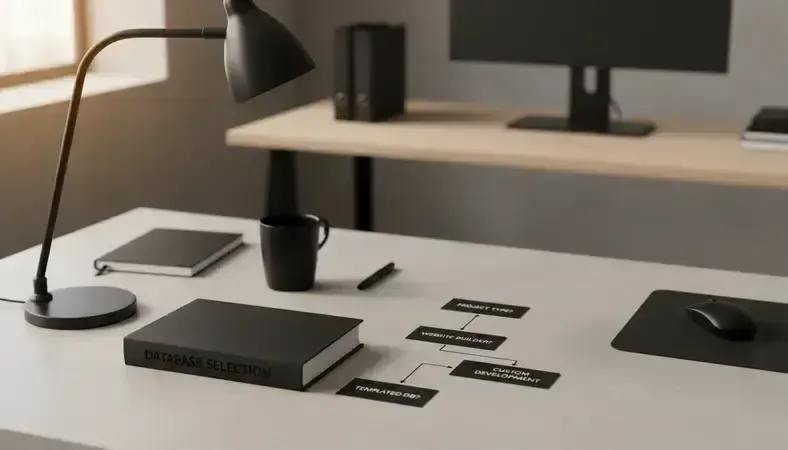
Selecting between website builders and custom development requires honest assessment of your project requirements, available resources, and long-term goals. The right choice aligns with your current capabilities while supporting future growth and evolution.
Project Requirements Assessment
Begin by documenting your website’s functional requirements, design preferences, and performance expectations. Simple brochure websites with standard layouts suit website builders, while complex applications with unique workflows require custom development.
Consider integration needs with existing business systems, third-party services, and future expansion plans. Website builders excel at common integrations but may struggle with specialized business software or custom APIs that require development work.
Performance requirements also influence platform choice. High-traffic websites, complex databases, or specialized optimization needs often exceed website builder capabilities and benefit from custom development approaches.
Common Questions About Web Design Websites
What’s the biggest difference between website builders and custom development?
The fundamental difference lies in control versus convenience. Website builders prioritize ease of use and quick deployment by providing templates, hosting, and built-in features within platform constraints. Custom development offers unlimited flexibility and complete control over every aspect of your website, but requires technical expertise and significant time investment.
Website builders work within predetermined frameworks that limit customization possibilities but handle technical complexities automatically. Custom development provides infinite possibilities for unique designs and functionality but requires managing hosting, security, performance optimization, and ongoing maintenance independently.
This trade-off affects every aspect of your project from initial costs to long-term scalability. Website builders excel when your needs align with platform capabilities, while custom development becomes essential when you require unique functionality or have specific performance requirements that exceed builder limitations.
How do I know if my project needs custom development?
Several indicators suggest custom development may be necessary for your project. Complex business logic, unique user workflows, or specialized integrations that aren’t available through standard website builder apps typically require custom coding solutions.
Performance requirements also drive custom development decisions. High-traffic websites, complex databases, or specialized optimization needs often exceed what website builders can deliver effectively. If your website needs to handle thousands of concurrent users or process complex data operations, custom development provides necessary performance control.
Brand differentiation requirements may also necessitate custom development. If your visual design or user experience needs to be completely unique and can’t be achieved through template customization, custom development provides the creative freedom to build exactly what you envision.
Expert Tip: If you find yourself researching workarounds or limitations for basic functionality you need, that’s a strong indicator that custom development would be more efficient than fighting against platform constraints.
Can I migrate from a website builder to custom development later?
Migration from website builders to custom development is possible but involves significant challenges and costs. Content migration is typically straightforward, but design recreation and functionality rebuilding require substantial development work that often costs more than starting fresh.
Most website builders don’t provide exportable code, meaning custom developers must recreate your website’s functionality from scratch. This process includes rebuilding forms, integrations, e-commerce systems, and any custom features you’ve implemented through the builder platform.
The migration process typically takes 2-6 months depending on website complexity and can cost $10,000-50,000+ for comprehensive recreation. Planning for potential migration from the beginning can influence initial platform choice and design decisions that make future transitions easier.
What about responsive design and mobile optimization?
Modern website builders automatically handle responsive design and mobile optimization as standard features. Templates are pre-configured to work across devices, and the platform manages technical aspects like viewport settings, touch-friendly interfaces, and mobile-specific optimizations without requiring user intervention.
Custom development provides more precise control over responsive behavior and mobile experience. Developers can create device-specific optimizations, implement advanced touch interactions, and optimize performance for mobile networks in ways that exceed website builder capabilities.
Both approaches can achieve excellent mobile experiences, but custom development allows for more sophisticated optimizations and unique mobile-specific features. The choice depends on whether standard responsive templates meet your needs or if you require specialized mobile functionality.
How important is SEO capability in this decision?
SEO capabilities have become relatively comparable between quality website builders and custom development, though implementation approaches differ significantly. Leading website builders now include comprehensive SEO tools, automatic technical optimizations, and structured data markup that handles most standard SEO requirements effectively.
Custom development provides unlimited SEO flexibility, allowing implementation of advanced strategies, custom schema markup, and performance optimizations that may exceed builder capabilities. This flexibility becomes crucial for competitive industries or complex SEO strategies that require precise technical control.
The most important SEO factors—quality content, site speed, mobile optimization, and user experience—can be achieved through either approach. The choice should prioritize overall project fit rather than SEO capabilities alone, as both methods can achieve strong search engine performance when implemented properly.
What ongoing maintenance should I expect?
Website builders handle most technical maintenance automatically, including security updates, hosting management, and platform improvements. Your primary maintenance tasks involve content updates, feature management, and subscription renewals. This hands-off approach appeals to businesses wanting to focus on content rather than technical management.
Custom development requires active maintenance including security patches, software updates, performance monitoring, and hosting management. These tasks require technical expertise either in-house or through ongoing developer relationships. Maintenance costs typically range from $200-2000+ monthly depending on website complexity and support requirements.
Key Takeaway: Website builders minimize ongoing technical overhead but create platform dependency, while custom development requires active maintenance but provides complete control over your website’s evolution and optimization.
Conclusion
Choosing between website builders and custom development ultimately depends on balancing your immediate needs against long-term goals. Website builders excel when speed, simplicity, and cost-effectiveness take priority, while custom development becomes essential for unique requirements, scalability needs, or complete brand control.
The decision isn’t permanent, but migration costs and complexity make initial platform choice crucial for project success. Consider your resources, timeline, and growth plans carefully to select the approach that best serves your business objectives. Get started with Dope Theme to explore professional website solutions that fit your specific needs and budget.